


 Boost rating


 In-game currency


 Perplexity
 ChatGPT
 Grok
Grok
 Claude
 Post on Reddit
Enhance your gaming experience with our services
Get the most out of your game with professional solutions

Best Mid Lane Farming Patterns in Dota 2
Mid lane in Dota 2 is not only about kills, it’s about farming efficiently, hitting item timings fast, and controlling the game through economy. Strong mid players build net worth advantages by following clean farming patterns and avoiding wasted movement.
This Dota 2 guide explains the best mid lane farming patterns to help you increase GPM and play more efficiently. If you want to progress faster, players can also order Dota 2 boosting or buy accounts on the GoRanked platform.
Early Game Mid Farming (0–10 min)
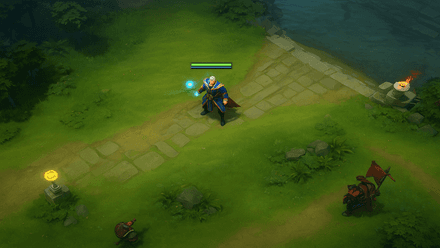
The first ten minutes decide how fast a Dota 2 mid laner reaches key levels and items. Your main job is not constant fighting, it’s building an early economy while keeping lane control. A mid hero with strong farm will always have more impact than a mid hero chasing low-chance ganks.
During early laning, focus on two things: securing creeps and controlling wave tempo. If you push the wave into the enemy tower, you create a short window to do something productive before the next wave arrives. Good early-game priorities:
Secure lane creeps and ranged creeps first
Push wave when you want to rotate or farm jungle
Use runes only when they create real kill potential
Farm instead of forcing rotations without resources
A simple rule for Dota mid lane farming: if you don’t have a power rune, ultimate, or clear setup, stay mid and farm. Walking across the map for failed ganks is one of the biggest reasons mid players lose GPM early.
Core Mid Farming Pattern
The most reliable farming pattern for a mid hero in Dota 2 is built around repetition. You are not improvising every minute, you are cycling between guaranteed sources of gold. Basic pattern:
Push mid wave quickly
Move to the nearest jungle camp
Clear camp fast
Return for the next wave
This loop keeps your hero active every second. No downtime, no random movement. Key details that increase efficiency:
Always decide your next move before finishing the current wave
Farm the closest camps, not the most attractive ones
Use spells to clear waves faster and create farming windows
Avoid standing idle after clearing a camp
High-MMR mid players look fast because their farming route is already planned. They don’t stop to think, they move immediately into the next action.
Efficient Jungle Usage
Jungle farming for mid heroes is an extension of lane farm, not a replacement. You enter the jungle to fill downtime between waves and accelerate your net worth.
Most Dota 2 mid heroes have AoE abilities that allow efficient camp clearing. The goal is to maximize value from every spell cast. Efficient jungle habits:
Hit multiple camps with one AoE spell when possible
Pull camps together to reduce time spent farming
Stack camps early if your hero can clear them later
Clear camps on the way back to lane instead of detouring
Stacking is especially important for heroes that scale through fast farming. A stacked camp can give a large gold spike and speed up item timings significantly.
The biggest mistake is overcommitting to jungle. If a lane wave is available and safe, it is almost always better than another camp. Jungle is there to support your farming pattern, not replace it.
Post-Laning Farming Transition
Once the laning stage ends in Dota 2, usually around the 8–10 minute mark, the way a mid player farms changes completely. You are no longer trying to control creep equilibrium or win small trades. The goal becomes speed and efficiency. Clear the wave fast, move immediately, and turn every second into gold.
Many mid players lose momentum here because they either force fights or stay mid too long. The correct approach is to push the wave with spells and rotate into nearby jungle or side lanes while the next wave travels. This keeps your GPM stable and helps you reach item timings without downtime. Rotations should only happen when a fight is close or clearly favorable, otherwise, farming is the better play.
Mid Game Farming Patterns (20+ min)
After 20 minutes, farming in Dota 2 becomes more about positioning than raw speed. The map is open, towers are gone, and farming routes must adapt to where pressure and objectives are happening. Mid heroes usually gain the most value by playing around side lanes, clearing waves quickly and disappearing before enemies can react.
Good mid game farming is about short exposure. Show on a lane, kill the wave, then move into jungle or fog. This keeps your income high while making you difficult to punish. Mobile mid heroes can take more dangerous farm because they can escape, while slower heroes must respect vision and stay closer to safe areas.
Key mid game farming rules:
Clear side waves fast and leave immediately
Stay close enough to join fights or objectives
Farm between movements instead of walking idle
Adjust risk based on your hero’s mobility
Avoid farming on the opposite side of upcoming fights
The key idea is simple: farm where the next fight might happen. If you are farming on the wrong side of the map, even high net worth won’t help when a big fight starts.
Farm Priority and Map Distribution
In most Dota 2 games, the mid laner is position 2 in farm priority. You still need gold, but your farming routes should not overlap with your carry. When both cores farm the same jungle, overall team efficiency drops and the map shrinks.
Strong players naturally split the map. If the carry is taking the safest farm, the mid hero shifts to another lane or a more aggressive area. This creates pressure on multiple sides and prevents your team from wasting resources by stacking heroes in one place.
Map distribution is one of the biggest hidden skills in Dota. Farming efficiently is not only about how fast you clear camps, it’s about choosing areas that keep your team’s economy balanced while maintaining pressure.
Coaching Insights (Practical Layer)
Coaching sessions show the same pattern again and again: strong players farm with urgency. There is no hesitation between actions. They clear a wave, move instantly to the next camp, and always know where they are going next.
Another consistent idea is using cooldowns to speed up farming instead of saving everything for fights. When abilities or ultimates allow faster clearing, they should be used to maintain tempo. High-level farming also involves reading the map, farming forward when enemies show and instantly switching to safer areas when the map goes dark.
The biggest difference between average and high-MMR mid players is not mechanics. It’s decision speed. The cleaner your farming pattern, the higher your GPM becomes without forcing risky plays.
Playing Around Item Timings
In Dota 2, farming only has value if it leads to a power spike. Mid players should constantly think about the next important item and adjust their decisions around it. If you are close to a key timing, forcing fights often slows you down more than it helps.
Before a major item, the focus is simple: farm efficiently and avoid unnecessary risks. Once the item is completed, your role changes. You should start playing more actively, looking for fights, objectives, or map pressure while your hero is strongest.
Typical mid lane power spikes include items like Black King Bar, Aghanim’s Scepter, or mobility tools that allow you to start fights safely. The difference between strong and average mid players is understanding when to stop farming and start converting farm into impact.
Late Game Farming Discipline
Late game farming in Dota 2 is not about maximizing GPM anymore, it’s about staying relevant without getting caught. Death timers are long, buybacks matter, and one mistake can decide the game.
At this stage, farming should happen close to your team or near areas with vision. You still push waves and take camps, but you avoid long solo routes unless the map is fully safe. Efficient players farm between fights, not instead of them.
Discipline becomes the main skill. Take fast farm, reset position, and always think about where the next fight could start. If your cooldowns are down or key items are unavailable, play safer and wait for the right moment.
Conclusion
Strong Dota 2 mid lane farming is built on simple principles: clear waves efficiently, use the jungle as an extension of lane farm, and always move with purpose. The best mid players don’t farm randomly, they follow patterns that keep their gold growing while staying ready for fights.
Play around item timings, adjust your farming based on map state, and avoid wasting time on low-value moves. When your farming has structure, your GPM increases naturally, and the game becomes easier to control.
More to read


WoW Patch 12.0.5 – Key Features, Class Changes, and What to Expect
WoW Patch 12.0.5 brings Void Assaults, the Voidforge system, class changes, and new activities. Learn how this World of Warcraft update reshapes gearing, gameplay, and the meta.

Dota 2 Patch 7.41: Why Valve Removed Aspects and What It Means for the Game
Dota 2 Patch 7.41 removes aspects, reshaping hero balance, drafting, and gameplay flow. Learn what changed, why Valve did it, and how the new Dota 2 meta works.


Fortnite Cheat Codes & Console Commands (2026): What Actually Works
Looking for Fortnite cheat codes in 2026? Learn which codes actually work, how to redeem them, where to find legit Fortnite codes, and how to avoid scams and fake cheats.

Miks Valorant Guide — All Abilities, Role, Best Teammates, and How To Play
Miks is Valorant's 30th agent and the first Controller who can heal. Here's a full breakdown of every ability, when to use each mode, and how to get the most out of him in ranked.
Dota 2 Patch 7.41 — All New Items, Neutral Items, and Tier List
Patch 7.41 added 9 new shop items and 8 neutral items to Dota 2. Here's what every item does, who should buy it, and which neutral items are actually worth picking up.

Shyvana Rework 2026 — New Abilities, Best Build, Skins, and Meta Impact
Shyvana's VGU finally landed in patch 26.6. New kit, new look, new dragon form that actually feels like a dragon.



Comments on the article
No comments yet. Be the first!
Leave a comment