Nekome: Nazi Hunter Draws on Basterds and Sisu
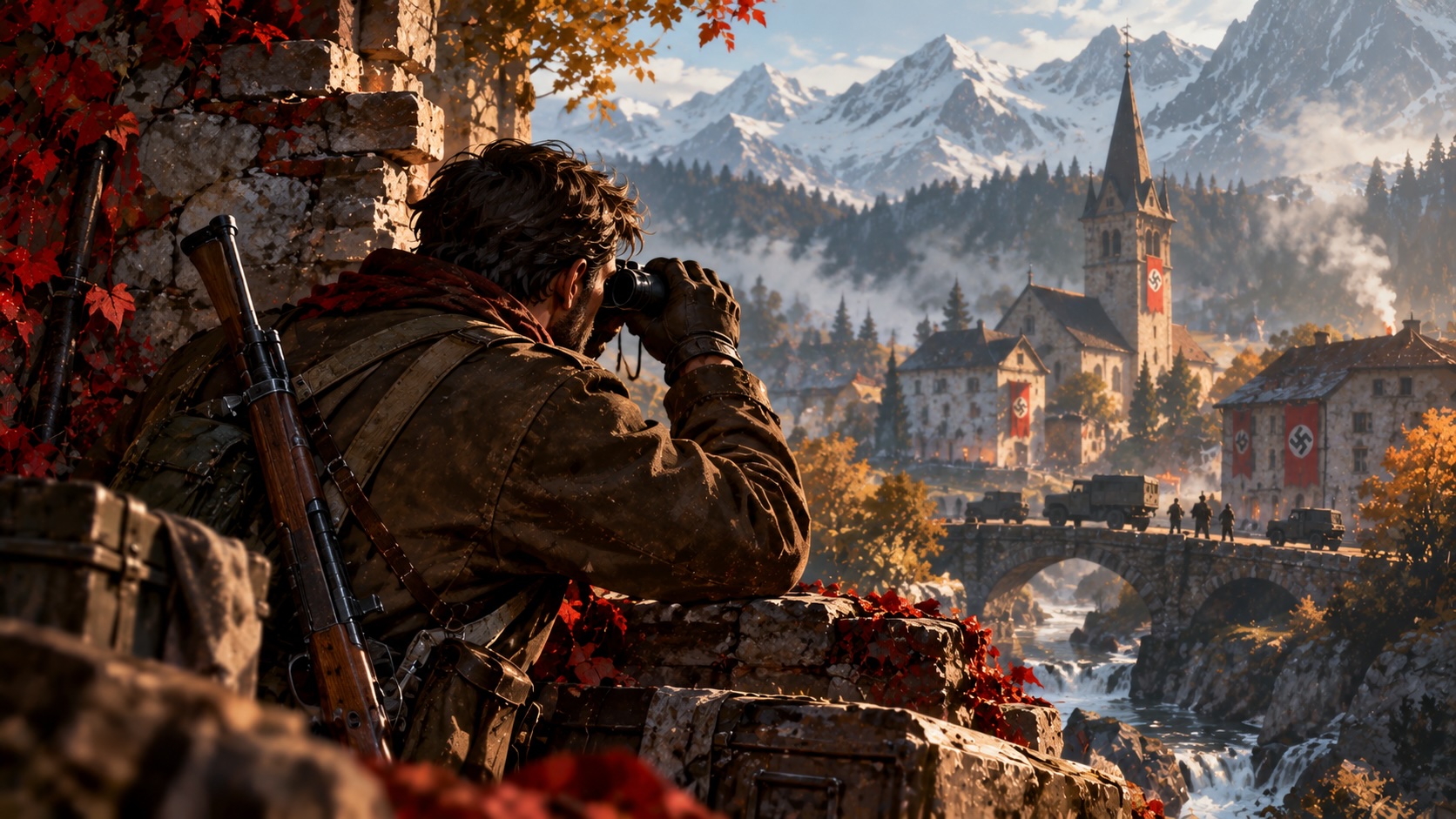
ProbablyMonsters’ game director Jeronimo Barrera says Nekome: Nazi Hunter uses stylized violence to tell a revenge story rooted in the persecution of Romani people during World War II.
ProbablyMonsters’ game director Jeronimo Barrera described Nekome: Nazi Hunter as a stylized revenge story rooted in the persecution and murder of Romani people during World War II. The game is scheduled for release in early 2027.
Nekome follows Vano, a man whose life has been repeatedly destroyed by violence. He seeks revenge against those responsible. The game uses close-range combat and presents his actions as a violent fantasy rather than a heroic account of the war.
The studio worked with Jewish and Romani cultural experts during development. People from both communities were invited to give feedback on key creative decisions.
“[Nekome] is rooted in the very real persecution and murder of the Romani people during the Second World War,” Barrera said. “We have a responsibility to take that seriously.”
The game combines graphic-novel visuals with the style of grindhouse cinema, a film tradition associated with exploitation, horror and low-budget action. Barrera explained that the team wanted a heightened visual style that could support the violence without presenting the historical subject matter as realistic.
“The fun got sucked out of it when it looked real; it lost the fantasy we were after,” Barrera said. “Our goal was getting a tone that was interesting visually but allowed for the ultra-violence.”
Barrera identified Quentin Tarantino’s Inglourious Basterds and Sisu as direct influences. Both films center on revenge against Nazis, while Sisu influenced Nekome’s graphic close-quarters combat.
The game focuses on the emotional impact of repeated violence on Vano. Barrera described the story as an exploration of “the most brutal emotions that manifest when someone’s world is completely torn apart, again and again.”
ProbablyMonsters has not announced a specific release date beyond early 2027.
Articles by this author