PS6 and Xbox Project Helix Chips Reach Tape-Out
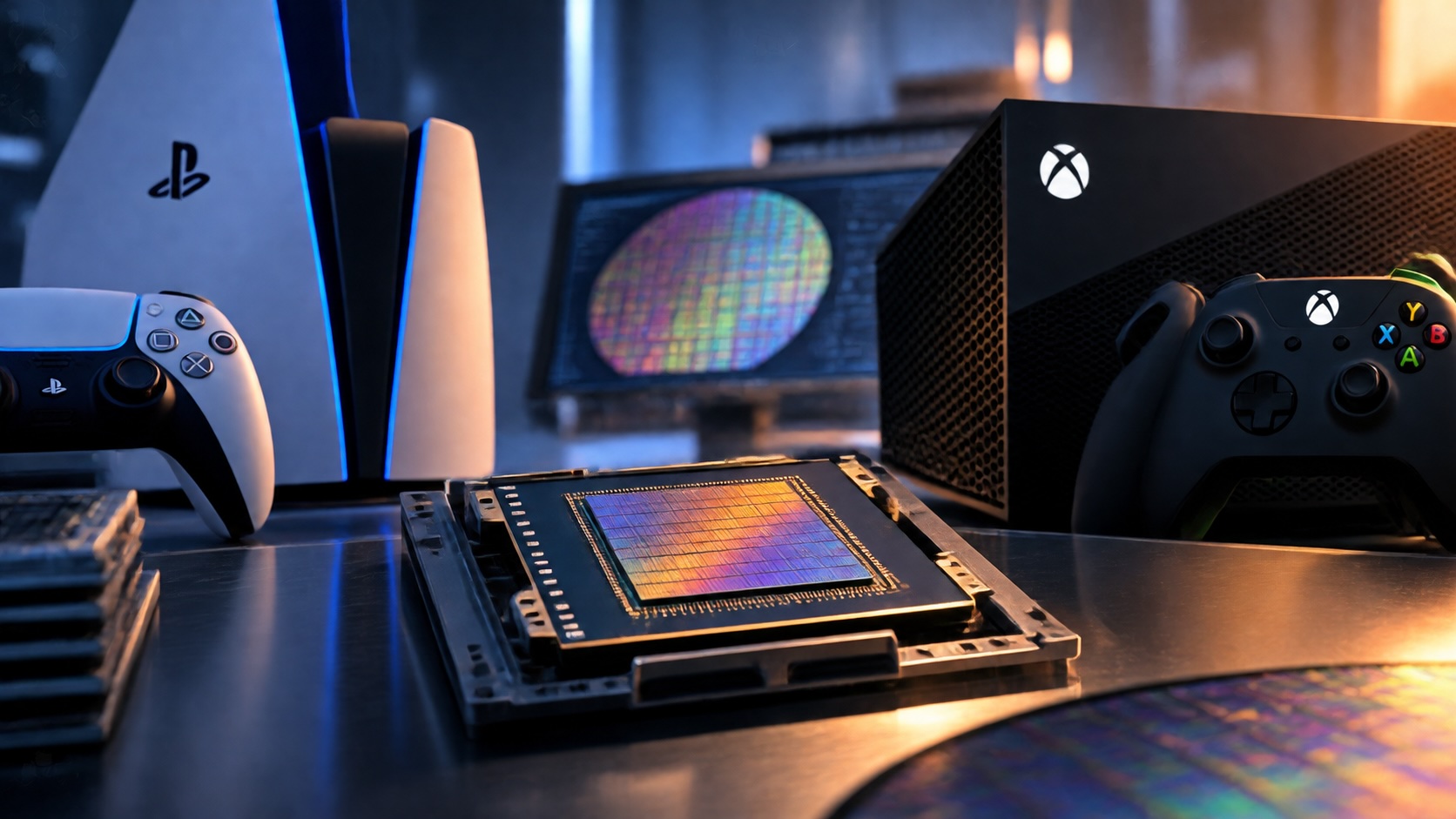
PlayStation 6 and Microsoft’s Project Helix chips reportedly reached tape-out and are ready for fabrication, with leaks claiming about 40 TFLOPS for PS6 and 56 TFLOPS for Helix.
A user known as KeplerL2 posted on a gaming forum that chip designs for PlayStation 6 and Microsoft’s Project Helix have reached tape-out, the stage when a chip design is finalized and sent to semiconductor manufacturers for fabrication. The post did not include official documentation from either company.
The leak attributes roughly 40 TFLOPS of GPU floating-point performance to PlayStation 6 and about 56 TFLOPS to Project Helix. Sony and Microsoft have not confirmed those figures and both companies have declined to release full technical specifications for their next consoles.
TFLOPS count how many floating-point operations a GPU can perform per second. That number alone does not predict gaming performance. Ray tracing efficiency, memory bandwidth and latency, cache design, dedicated accelerators for AI and physics, software drivers and system integration all influence real-world frame rates and visual quality.
Tape-out marks the point where design files are sent to a foundry to create photomasks and wafers. After tape-out, manufacturers produce silicon that must be tested, packaged and assembled into final units. Those steps can take several months and allow for further testing and potential revisions before mass production.
The timing of the tape-out claim is consistent with speculation that both consoles could appear in late 2027. Hardware seen in demonstrations or developer kits during development can differ from retail units, and companies sometimes adjust designs after tape-out if testing identifies issues.
Microsoft has discussed Project Helix in public forums as pursuing advanced path tracing, a custom AMD system-on-chip and support for next-generation graphics APIs and upscaling technologies. Rumors about Sony’s next hardware have focused on larger ray tracing gains and expanded AI compute for game features. Neither firm has provided final technical targets.
The TFLOPS figures in the leak should be treated as provisional. Either company could alter designs before production ramps up, and additional official details will be required to compare the systems’ real-world gaming performance.
Tags
Articles by this author