Is Monster Hunter Outlanders P2W? Gacha, Monetization, and Progression Explained
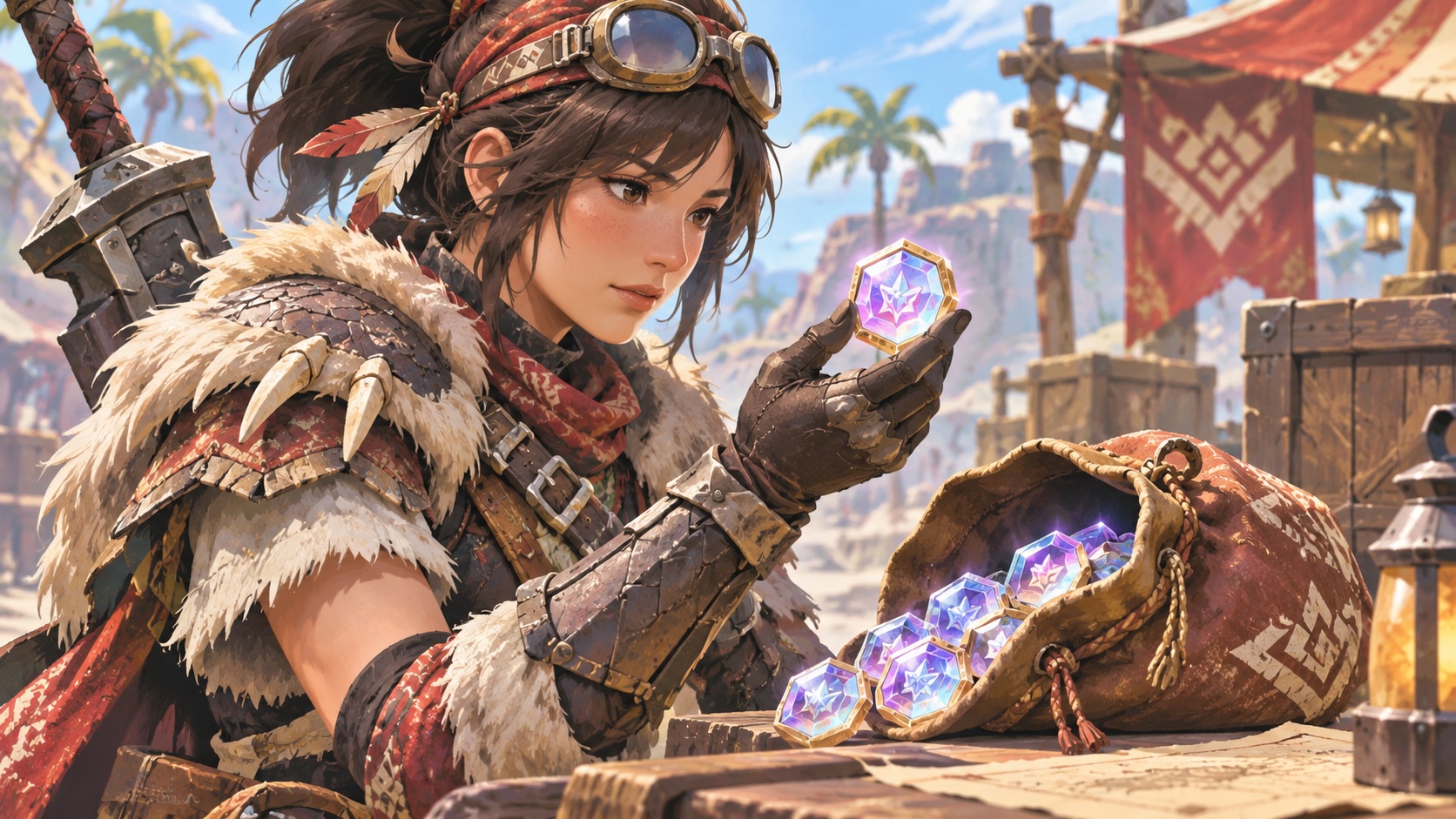
Monster Hunter Outlanders brings gacha characters, premium currencies, and paid progression options to Capcom’s hunting formula. But does spending money actually make you stronger, or can free-to-play hunters keep up? Here’s how the monetization works and where paying makes a difference.
Monster Hunter Outlanders is not strictly pay-to-win, but spending money can help players unlock characters and upgrade their teams faster. Unlike traditional Monster Hunter games, this free-to-play mobile spin-off combines hunting and equipment crafting with character gacha, premium currencies, and optional paid progression systems.
Developed by TiMi Studio Group under license from Capcom, Outlanders launched on Android and iOS on October 29, 2026. Its core gameplay still revolves around defeating monsters, collecting materials, and crafting equipment. However, the monetization model introduces new questions about fairness, especially for players familiar with Monster Hunter Wilds and Monster Hunter: World.
Is Monster Hunter Outlanders Pay to Win?
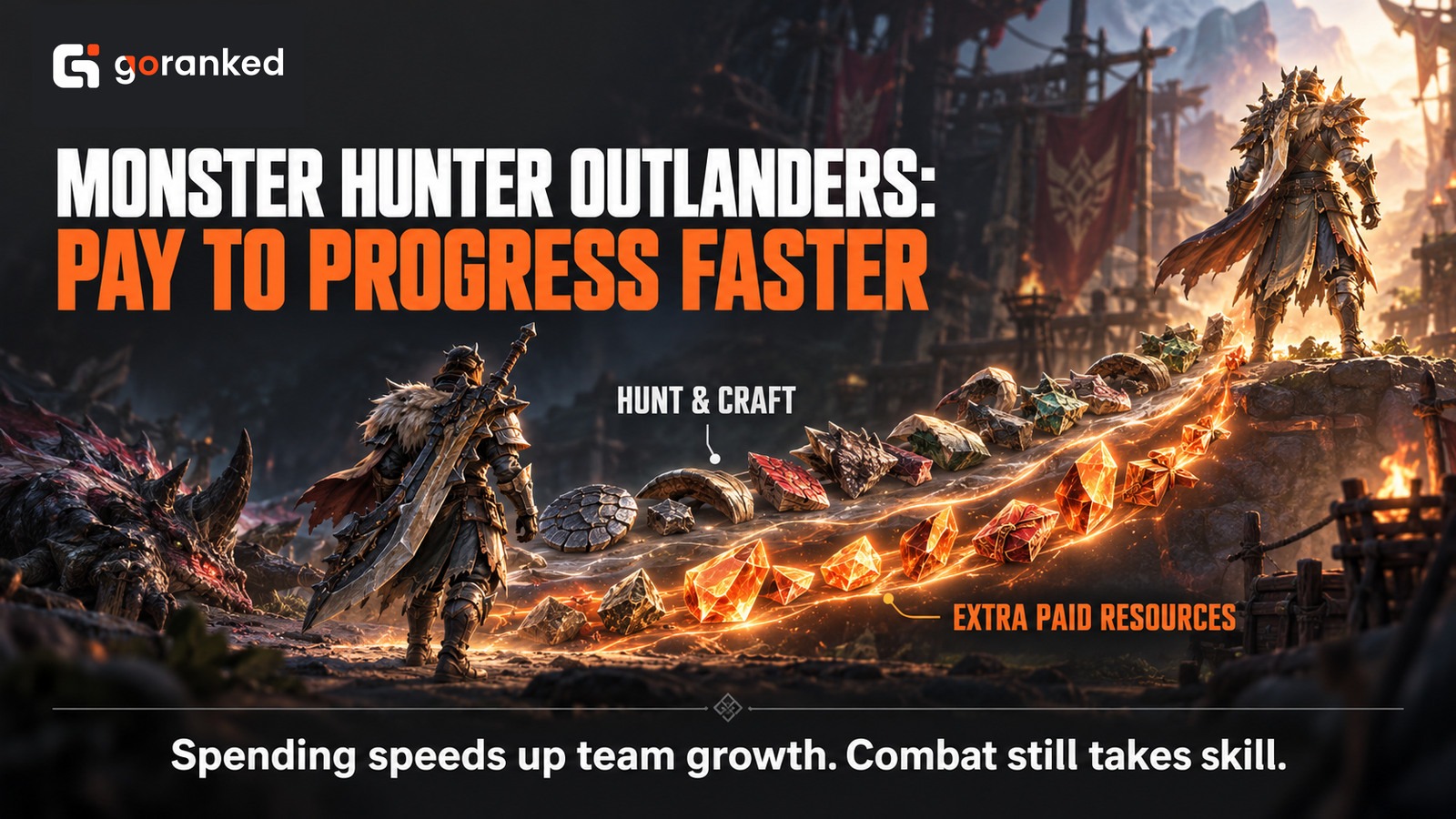
Monster Hunter Outlanders is better described as pay-to-progress-faster than strictly pay-to-win. Players can access the core hunting experience without purchasing premium characters, but spending provides additional recruitment opportunities, upgrade materials, and progression resources.
The distinction matters because Outlanders primarily focuses on cooperative PvE combat rather than direct competition between players. There is no traditional PvP mode where someone who spends more money can simply defeat another player using purchased advantages.
However, the absence of PvP does not automatically make a game free from pay-to-win elements. Premium characters can offer different abilities and team combinations, while paid resources can reduce the time required to strengthen a roster.
For players concerned about long-term balance, the biggest question is whether future content will remain manageable with freely obtainable characters and equipment.
How Does Monster Hunter Outlanders Monetization Work?
Monster Hunter Outlanders uses a free-to-play business model supported by several monetization systems. Players can download the game without paying, while optional purchases provide additional resources, characters, and customization options.
The main monetization features include:
- Character gacha: Randomized recruitment banners offer Adventurers of different rarities, including powerful SSR characters.
- Premium currencies: Crimson Crest Coins and Rutacoin support purchases, recruitment, and other in-game activities.
- Battle passes and subscriptions: Paid reward tracks and monthly passes provide additional resources, recruitment items, and progression benefits.
- Cosmetic purchases: Layered armor, weapon appearances, and other customization items change how characters look without directly increasing their combat statistics.
These systems serve different purposes. Cosmetic purchases have little impact on gameplay balance, while character recruitment and progression resources can affect how quickly players build stronger teams.
The game also offers starter packs, limited-time bundles, and recurring shop promotions. Some packages contain recruitment contracts or upgrade materials, giving paying players more flexibility when developing their characters.
How Does the Monster Hunter Outlanders Gacha System Work?
The Monster Hunter Outlanders gacha system primarily revolves around recruiting Adventurers rather than purchasing weapons.
Players use recruitment contracts to obtain characters from different banners. Adventurers have their own combat roles, weapon specialties, and abilities, making certain characters more attractive for particular team compositions.
Recruitment banners also include a pity system that guarantees rewards after a specified number of attempts.
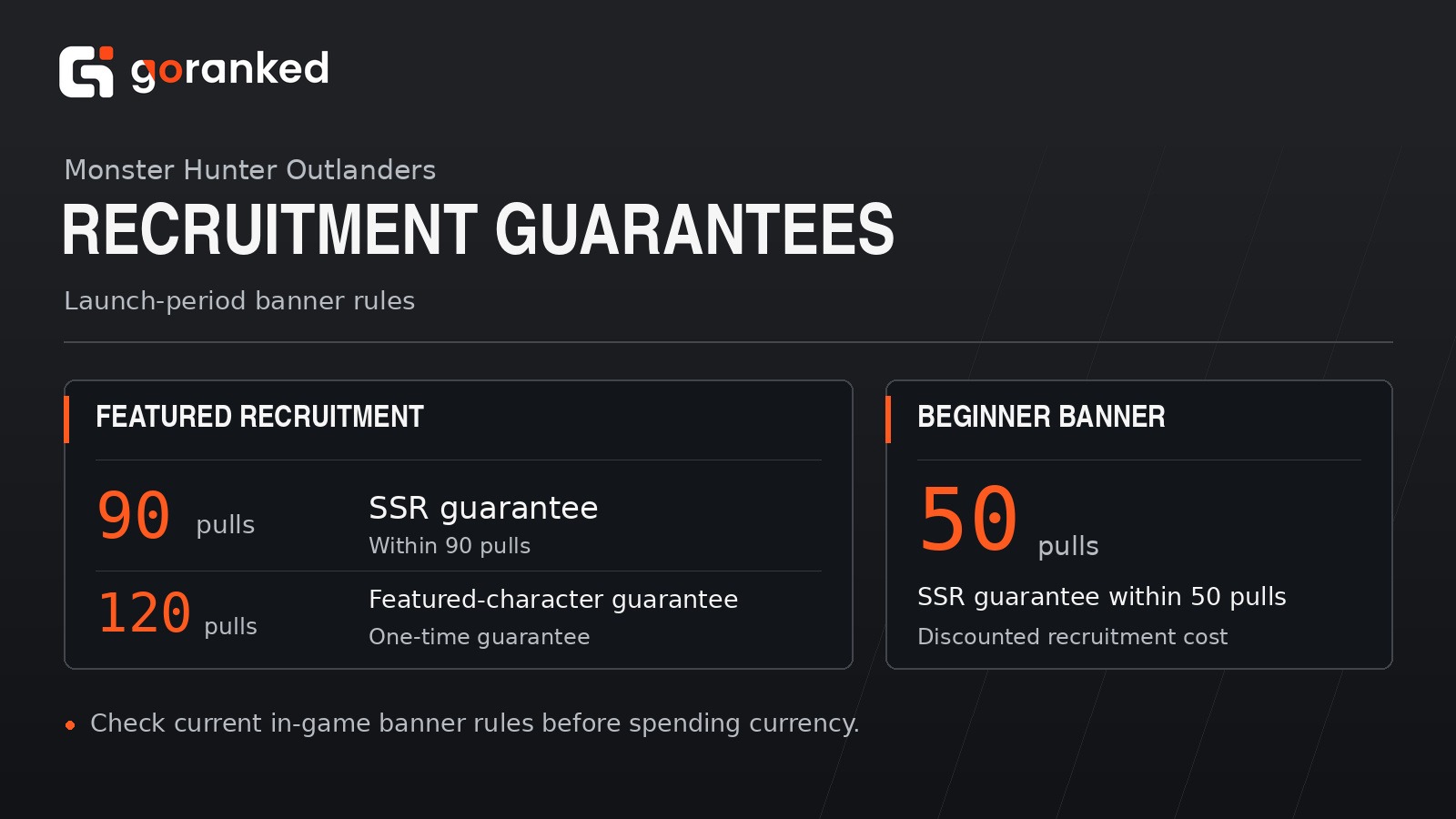
Launch-period banner rules include an SSR guarantee within 90 pulls on featured recruitment banners, with a one-time featured-character guarantee at 120 pulls. The beginner banner guarantees an SSR within 50 pulls at a discounted recruitment cost.
Published recruitment information also identifies a base SSR probability of 0.6%, although players should check the current in-game banner rules before spending currency because rates and guarantees can change.
The good news is that players do not need to rely entirely on random recruitment.
The Fated Adventurer, the player’s customizable protagonist, can use different weapon types and develop through traditional equipment crafting. Other Adventurers can be obtained through story progression, events, and free recruitment opportunities.
Buddies, which support hunters during combat, also have free acquisition methods. Dedicated Buddy recruitment was revised during development, although some recruitment pools can still contain Buddies.
This creates a hybrid system: traditional Monster Hunter progression remains important, but character collecting introduces an additional layer of randomness.
Does Paying Make Progression Faster?
Yes. Spending money in Monster Hunter Outlanders can accelerate progression by providing extra recruitment opportunities, upgrade materials, and access to additional farming resources.
The game retains familiar systems such as hunting monsters repeatedly, gathering materials, crafting weapons, and upgrading armor. Players still need to understand monster attacks, choose suitable equipment, and execute weapon combinations correctly.
However, Outlanders adds an Energy system connected to Hunt Requests. These activities provide valuable upgrade materials and Adventurer experience, while Energy recovers over time.
Players can obtain additional Energy through consumables or spend Rutacoin on refills. This means someone willing to spend resources can complete more reward-generating activities within a shorter period.
The difference becomes particularly noticeable when players are trying to develop multiple Adventurers or prepare for demanding encounters.
How Grinding Affects the Experience
Grinding has always been central to Monster Hunter. Defeating a difficult monster several times to collect rare crafting materials is part of the franchise’s traditional progression loop.
In Outlanders, however, recurring activities exist alongside character upgrades, limited-time rewards, and mobile-game progression systems. This can make developing a complete roster more demanding than simply crafting one preferred equipment set.
Players familiar with lengthy farming sessions in traditional online games sometimes look for outside assistance to reduce repetitive work. Services such as LevelUpper – trusted boosting service offer farming and progression assistance for Monster Hunter Wilds and other online titles.
Such third-party services are separate from Outlanders’ built-in monetization, and availability for one Monster Hunter game does not imply support for another. Players should also consider account security and the applicable game’s terms before using outside assistance.
The central difference is that Outlanders incorporates progression acceleration directly into its own economy. Spending on additional resources can help reduce the grind without eliminating the need to learn combat mechanics.
Can You Play Monster Hunter Outlanders Without Spending Money?
Yes. Monster Hunter Outlanders allows free-to-play players to experience its core hunting content without purchasing premium characters.
The developers have stated that all Adventurers can be earned through gameplay and that the game’s core content is accessible to non-paying players.
Early post-launch impressions have also been encouraging. The customizable starter Adventurer is versatile enough to handle early encounters, while free story rewards and events provide additional ways to develop a functional team.
However, playing for free requires more careful resource management.
Players who want to progress efficiently should prioritize a few practical habits:
- Focus upgrade materials on one reliable main character and a small supporting roster.
- Complete daily activities and limited-time events for recruitment resources.
- Save valuable contracts for characters that complement existing weapons and team roles.
- Use naturally recovering Energy before considering additional refills.
Building an effective team matters more than collecting every available SSR character. A well-developed roster with suitable elemental coverage, support abilities, and upgraded equipment can outperform a poorly optimized collection of rare characters.
The main disadvantage for free-to-play players is flexibility. They may need to wait longer to obtain a particular Adventurer or gather enough resources to experiment with several builds.
Monster Hunter Outlanders vs. Wilds and World: Monetization Differences
The biggest difference between Outlanders and the mainline Monster Hunter games is how money interacts with progression.
Monster Hunter Wilds and Monster Hunter: World follow traditional premium-game models. Players purchase the base game and can buy additional content, but their core equipment progression depends on hunting monsters and crafting gear.
Both games also offer optional cosmetic DLC, while larger paid expansions can add substantial gameplay content.
Outlanders removes the initial purchase requirement but introduces recurring monetization through recruitment, subscriptions, and paid progression resources.
| Feature | Monster Hunter Outlanders | Monster Hunter Wilds and World |
|---|---|---|
| Entry Cost | Free-to-play | Paid base game |
| Character Gacha | Yes | No |
| Weapon Crafting | Monster materials and gameplay | Monster materials and gameplay |
| Premium Currency | Yes | No comparable character-gacha currency |
| Paid Progression | Additional resources and faster recruitment | Primarily game purchases and expansions |
| Cosmetic Purchases | Yes | Yes |
| Main Gameplay | Solo and cooperative PvE hunts | Solo and cooperative PvE hunts |
The comparison highlights an important distinction: traditional Monster Hunter games generally ask players to purchase content, while Outlanders also sells ways to accelerate progress within content.
That does not necessarily make Outlanders less enjoyable. Free access lowers the barrier to entry, and players who prefer short mobile sessions may appreciate its flexible progression.
Meanwhile, the mainline games offer a more predictable relationship between time invested and equipment obtained.
For additional background on how the mobile adaptation developed, GoRanked’s Monster Hunter Outlanders coverage explored its hunting, crafting, and cooperative features before release.
What Could Make Outlanders More Pay-to-Win?
The greatest long-term concern is character power creep.
In a live-service gacha game, new characters must remain attractive enough to encourage recruitment. If future SSR Adventurers consistently outperform existing characters, players may feel pressured to spend money to maintain competitive damage output or complete challenging activities efficiently.
Several factors will determine whether Outlanders remains reasonably balanced:
- Character accessibility: Whether free recruitment rewards remain sufficient to obtain desirable Adventurers.
- Difficulty balancing: Whether endgame encounters remain manageable without specific limited-time characters.
- Progression requirements: Whether upgrade costs and Energy restrictions create excessive delays for non-paying players.
- Future updates: Whether new characters introduce alternative playstyles or substantially stronger combat performance.
At launch, the available evidence does not establish that spending is required to complete the game’s core content.
Nevertheless, its progression economy clearly rewards players who invest money alongside their time. Future content updates will determine how significant that advantage becomes.
Final Verdict: Is Monster Hunter Outlanders Worth Playing F2P?
Monster Hunter Outlanders is worth trying as a free-to-play player, particularly if the main attraction is fighting monsters, learning weapon mechanics, and crafting equipment.
The game preserves much of the traditional Monster Hunter experience while introducing character gacha and paid progression options. Spending can make collecting characters and upgrading a team faster, but it does not replace the skills required to complete hunts.
Compared with Monster Hunter Wilds and Monster Hunter: World, Outlanders has a more aggressive monetization structure because premium purchases are connected to character availability and progression speed.
For now, the most reasonable verdict is that Monster Hunter Outlanders has pay-to-progress-faster mechanics with potential pay-to-win concerns, rather than a confirmed requirement to pay for success.
Players who enjoy methodical farming and careful resource management can still build strong teams without spending. Those who dislike gacha randomness, recurring shop promotions, and Energy-based progression may prefer the traditional premium games.
For a broader look at gaming progression systems and player services across different titles, the GoRanked gaming platform provides additional context on the online gaming ecosystem.
Ultimately, the real test for Outlanders is not whether money provides advantages today, but whether free-to-play hunters can continue enjoying new challenges on reasonable terms as the game evolves.
Articles by this author