


 Boost rating


 In-game currency


 Perplexity
 ChatGPT
 Grok
Grok
 Claude
 Post on Reddit
Professions Guide in WoW Classic: How They Work and Which Ones to Choose
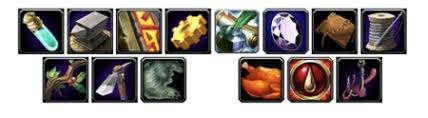
Professions in WoW Classic are not just a side activity or a way to kill time between quests. WoW Classic professions are a core part of your character’s power, economy, and long-term progression. Choosing the best professions WoW Classic offers can save you a significant amount of gold, increase your value in raids and dungeons, and give you access to tools that no piece of gear can replace.
This WoW Classic profession guide explains how the WoW Classic profession system works and why your decision between WoW Classic primary professions and WoW Classic secondary professions matters more than it does in modern expansions. Classic treats professions differently — they require planning, commitment, and patience. You can’t freely swap them without consequences, and the game expects you to build your character around your profession choices. That’s exactly why WoW Classic professions play such an important role in shaping your journey.
Understanding the WoW Classic Profession System
At its core, the WoW Classic profession system in World of Warcraft Classic is simple, but strict. Unlike modern World of Warcraft, you don’t get everything at once, and you can’t master every path on a single character. In Warcraft Classic, every profession choice feels permanent, which makes WoW Classic professions meaningful rather than optional.
Because the crafting and gathering system in World of Warcraft Classic is built around long-term investment, each decision shapes your character’s identity within the larger Warcraft economy and progression structure.
Primary vs Secondary Professions
In WoW Classic, you can only have two primary professions. That limit defines your entire crafting identity. Once you pick them, you’re expected to stick with them, because dropping a profession means losing all progress and recipes tied to it.
Primary professions include crafting and gathering skills like Alchemy, Engineering, Mining, and Herbalism. These are the ones that shape how you make gold, what items you can craft, and how useful you are to other players.
Secondary professions work differently. They don’t take up a profession slot, and you can learn all of them on one character. Cooking, First Aid, and Fishing are available to everyone, and in Classic, they actually matter. Skipping them is usually a mistake, especially if you plan to raid or play PvP.
Types of Professions
WoW Classic professions fall into a few broad categories. Understanding what each category does is essential when choosing the best professions WoW Classic offers, as it helps avoid poor combinations, wasted gold, and inefficient progression.
Service Professions
Service professions don’t usually create gear you equip, but they provide long-term value and utility. Enchanting and First Aid are the best examples.
Enchanting turns unwanted gear into resources and allows you to permanently enhance equipment. In Classic, enchants are applied directly through trading, which makes enchanters socially important. You don’t just enchant your own gear, you become someone other players actively look for.
First Aid is much simpler, but incredibly effective. Being able to bandage yourself or others during downtime or after crowd control can save lives, especially for classes without healing. It’s one of those skills that feels optional until you play without it.
Gathering Professions
Gathering professions are the backbone of Classic’s economy. Herbalism, Mining, Skinning, and Fishing feed almost every crafting profession in the game.
These professions are straightforward, but not passive. Nodes are not shared, competition is real, and knowing where and when to farm matters. A good gatherer understands zones, respawn timers, and demand on the Auction House.
Gathering professions are often the best choice early on. They provide steady gold, scale well with time invested, and pair naturally with crafting professions later if you decide to switch or use alts.
Other Skills
Some skills don’t fit neatly into crafting or gathering. Riding, Poisons, and Pickpocketing exist outside the profession system but still play an important role.
These skills are class-specific or utility-focused. Rogues, for example, rely heavily on Poisons, while Pickpocketing adds extra income and flavor to their gameplay. Riding is essential progression rather than a choice, but it still reflects how Classic ties power to preparation and resources.
Key Differences Between Classic and Modern WoW
WoW Classic professions follow older rules, and players coming from modern World of Warcraft usually notice the difference immediately. The WoW Classic profession system is intentionally restrictive and built around long-term commitment rather than convenience.
There are no profession talent trees, no automatic recipe recovery, and no modern quality-of-life systems. If you drop one of your WoW Classic primary professions, everything tied to it is permanently lost. Recipes don’t have ranks, banks don’t provide reagent tabs, and in World of Warcraft Classic you cannot track multiple gathering nodes at once.
Enchanting in Warcraft Classic works only through direct player trades, Alchemists must travel to specific locations to craft flasks, and gathering nodes belong to a single player. Even Mining requires effort, with multiple hits needed per node, reinforcing the slower pace of the WoW Classic crafting system.
All of this slows progression down — but in a meaningful way. WoW Classic professions feel grounded, valuable, and social. They reward players who plan ahead, invest time into profession leveling, and understand the Warcraft economy instead of relying on automated systems to do the thinking for them.
How Profession Progression Works
In WoW Classic, professions grow through hands-on practice. You increase your skill by crafting items, gathering resources, or performing profession-specific actions. The key idea is simple: you don’t level professions passively — progress only comes from doing the work.
As your skill rises, older recipes stop being useful for progression, pushing you toward new materials, zones, and sometimes dangerous areas. This naturally ties profession growth to character exploration and world knowledge, not just gold or grinding.
Skill-Up Colors Explained
Every recipe in WoW Classic is color-coded, and these colors determine how likely it is to increase your profession skill.
Orange – Always grants a skill point
Yellow – High chance to grant a skill point
Green – Low chance to grant a skill point
Gray – No longer grants skill points
Efficient leveling means following these color shifts closely. Crafting too many green recipes wastes materials, while ignoring orange and yellow ones slows progression.
Profession Ranks
Professions are divided into ranks that gate how far you can progress:
Apprentice – Skill 1–75
Journeyman – Skill 76–150
Expert – Skill 151–225
Artisan – Skill 226–300
Each rank must be unlocked through a trainer (or quest, in the case of Artisan). You can’t progress beyond a rank’s cap until it’s officially learned, no matter how many materials you have.
Level Requirements
Profession advancement is also tied to your character level. Higher ranks are locked until you reach specific levels, which prevents rushing professions too early.
This system encourages natural pacing: you level your character, explore new zones, and only then unlock deeper profession content. In Classic, professions are meant to grow with your character, not ahead of them.
WoW Profession Bonuses and Racial Advantages
Some races in WoW Classic gain subtle but meaningful bonuses to certain World of Warcraft professions. These racial advantages don’t break game balance, but they make leveling your WoW Classic professions smoother and can unlock niche benefits that give you an edge in crafting or gathering.
Examples include faster skill-ups, higher starting skill, or unique crafting interactions. Over the long term, these bonuses save materials and time — especially noticeable in expensive professions like Engineering or Enchanting.
Items and Enchants That Boost Professions
Certain items temporarily increase your profession skill, allowing you to craft recipes slightly above your current level.
These bonuses don’t replace proper progression but act as small optimizers — useful for squeezing extra efficiency out of hard-to-level brackets or accessing recipes a bit earlier than usual. In Classic, these boosts are rare and situational, which makes them feel valuable rather than mandatory.
Primary Professions Overview
Primary professions are the backbone of WoW Classic’s economy and character progression. You can learn only two of them, which makes the choice meaningful and sometimes painful. Each profession pushes you toward a specific playstyle: crafting for profit, supporting your own gear progression, or controlling key resources on the market. In Classic, primary professions are not “optional bonuses” — they actively shape how you earn gold, prepare for raids, and interact with other players.
Alchemy
Alchemy revolves around consumables: potions, elixirs, and flasks that are constantly in demand. This profession shines in the long run, especially for players involved in dungeons, raids, or PvP.
Its strength lies in stability. No matter the phase or patch, players always need buffs. Alchemy also benefits heavily from knowledge — knowing when to sell and what to stockpile often matters more than raw crafting volume.
Blacksmithing
Blacksmithing focuses on crafting weapons, armor, and utility items like sharpening stones. Early on, it can feel slow and expensive, but its value spikes at specific progression points.
In Classic, Blacksmithing is less about mass production and more about key items. Certain crafts become highly desirable for specific classes, giving blacksmiths moments of real economic power if they time things right.
Enchanting
Enchanting is unique because it doesn’t rely on traditional gathering. Instead, it feeds on unwanted gear, turning trash items into long-term value.
This profession scales with player progression. As gear quality rises, so does the demand for stronger enchants. Enchanting often rewards patience and connections, especially when rare enchants become widely known on a server.
Engineering
Engineering is chaotic, fun, and unapologetically selfish — in the best way. It offers powerful gadgets, explosives, and utility tools that rarely benefit others directly.
In Classic, Engineering isn’t about gold-making efficiency. It’s about advantages: PvP control, raid utility, and unexpected solutions to combat problems. That’s why so many competitive players swear by it despite the cost.
Herbalism
Herbalism is a classic gathering profession that pairs naturally with Alchemy. It turns exploration into profit, pushing players into the open world instead of instances.
Its strength comes from consistency. Herbs are always needed, and supply is limited by spawn locations and competition. For players who enjoy roaming zones and timing routes, Herbalism can be quietly powerful.
Leatherworking
Leatherworking crafts armor primarily for leather and mail users, along with various resistance gear pieces that become important later in Classic.
This profession gains value as content becomes more demanding. Certain crafted sets and utility items are difficult to replace, making Leatherworking especially relevant for organized groups and raid-focused players.
Mining
Mining provides ores and stones used by Blacksmithing and Engineering, making it a foundational profession for the Classic economy.
Unlike some gathering professions, Mining often pulls players into dangerous territory. Rich nodes tend to spawn in contested or high-level zones, turning simple resource runs into high-risk, high-reward activities.
Skinning
Skinning is the most straightforward gathering profession. It rewards players for doing what they already do: killing mobs. While it lacks the strategic depth of other professions, Skinning excels at early-game gold generation and smooth leveling. It’s often chosen for its simplicity and low barrier to entry.
Tailoring
Tailoring stands apart because it doesn’t require a gathering profession. Instead, it relies on cloth drops from humanoid enemies. This makes Tailoring feel very natural during leveling. It also plays a long game: bags, gear, and later specialized crafts ensure steady demand throughout Classic, especially on growing servers.
Secondary Professions Everyone Should Have
Secondary professions in WoW Classic aren’t limited by slots, which already makes them special. You don’t have to choose — you just learn them. And while they don’t define your character the same way primary professions do, they quietly improve your quality of life from early leveling to endgame. Ignoring them means missing out on free power, utility, or gold over time.
Cooking: Cooking turns basic materials into direct, practical benefits. Food buffs are simple, but in Classic, even small stat bonuses matter. What makes Cooking valuable is how naturally it fits into gameplay. You gather ingredients while leveling or running dungeons, and the result is something you can immediately use or sell. It rewards awareness more than grinding — knowing which recipes are worth your time matters more than maxing it as fast as possible.
First Aid: First Aid is pure efficiency. It allows any class to recover health without using mana, consumables, or long downtime. In Classic, where regeneration is slower and fights are less forgiving, bandages save time and sometimes lives. First Aid doesn’t replace healers or potions, but it fills the gaps between fights and makes solo play far smoother.
Fishing: Fishing is slow, calm, and deceptively powerful. At first glance, it feels optional. In reality, it feeds multiple systems at once. Certain fish are required for high-end cooking, potions, or quests, and supply is often limited by time and patience rather than difficulty. Players who enjoy quieter gameplay often find Fishing surprisingly profitable, especially during off-hours when competition is low.
Best Profession Pairings
Choosing WoW Classic professions isn’t just about picking the strongest options — it’s about how different systems support each other. Good profession pairings reduce wasted time, cut costs, and make progression feel smoother instead of fragmented in the World of Warcraft Classic experience.
Production + Gathering
This is the most intuitive and beginner-friendly setup in WoW Classic. One profession provides raw materials, while the other converts them into valuable items. Classic examples include Alchemy with Herbalism or Blacksmithing with Mining. You control the full crafting loop, which protects you from market swings and reduces dependency on other players. While it may not always maximize gold-making efficiency, it is reliable and efficient for steady progression.
Double Gathering
Double gathering focuses entirely on resource control. You’re not crafting — you’re supplying. This setup works best early in a server’s lifecycle or during high-demand phases. It rewards map knowledge, timing, and persistence. While it lacks long-term depth, it’s one of the fastest ways to generate gold without upfront investment.
Double Production
Double production is the high-risk, high-planning option. It assumes you will buy or trade for materials instead of gathering them yourself. This pairing shines when you understand the WoW Classic economy and specialize in crafting items others rely on. It’s less forgiving and requires more capital, but in the right hands, it offers flexibility and strong relevance for endgame progression in World of Warcraft Classic.
Best Professions by Class and Role
In WoW Classic, professions don’t just support your character — they quietly shape how comfortable, efficient, or resilient your gameplay feels. There’s no universal “best” setup, but some combinations naturally fit certain roles and class mechanics better than others.
DPS
Damage dealers benefit most from professions that reduce downtime and increase consistency. Crafting professions that provide self-sufficiency — consumables, gear, or utility — often outperform pure gold-focused setups in the long run.
Engineering stands out for its active tools and situational advantages, while professions like Enchanting or Alchemy support sustained performance through buffs and item optimization. For DPS players, the value lies less in raw numbers and more in reliability during long sessions or difficult encounters.
PvP-Focused Players
PvP in Classic rewards preparation more than reaction speed. Professions that offer control, surprise, or survivability tend to shine here.
Engineering is a common choice due to its utility and unconventional tools, but Alchemy also plays a major role by enabling constant access to consumables. PvP-oriented players often value flexibility over efficiency — having the right item at the right moment can matter more than long-term economy.
Hardcore Players
For Hardcore characters, professions are part of survival strategy, not optimization. Anything that reduces risk, downtime, or dependency on others gains extra weight.
Gathering professions are popular early on because they encourage safer routing and steady progress. Later, crafting professions that provide defensive gear, consumables, or emergency tools help mitigate mistakes — something Hardcore runs rarely forgive.
Cloth Wearers
Classes relying on cloth armor naturally gravitate toward professions that reinforce their strengths while compensating for fragility. Tailoring fits seamlessly, offering gear progression without needing a gathering profession. Pairing it with Enchanting creates a closed ecosystem where drops turn into direct power upgrades. For cloth wearers, professions often act as a buffer against poor loot luck.
Druids
Druids are flexible by design, and their profession choices often reflect that versatility. Gathering professions feel especially natural due to movement advantages, while crafting professions that support multiple roles fit their hybrid nature well. Druids tend to benefit from setups that keep options open rather than locking them into a single playstyle.
Leather & Mail Classes
These classes sit in the middle of the spectrum — durable enough to take hits, but still dependent on steady upgrades.
Leatherworking pairs well here, offering armor that stays relevant for long stretches. When combined with a gathering profession, it creates a smooth progression path without heavy reliance on the auction house. This setup rewards consistency and long-term planning rather than quick spikes in power.
Plate Classes
Plate wearers often benefit from professions that scale into the late game and support group content. Blacksmithing provides gear and utility that feel impactful over time, especially when paired with Mining. Plate classes tend to value predictability — knowing that effort invested in a profession will pay off later fits their slower, steadier progression style.
Final Thoughts
Professions in WoW Classic are not about following a perfect formula. They’re about shaping your personal journey through World of Warcraft Classic. Whether you focus on efficiency, survivability, PvP dominance, or controlling the WoW Classic economy, choosing the right WoW Classic professions makes your gameplay smoother, more strategic, and more personal.
Warcraft Classic rewards players who think long-term, experiment thoughtfully, and understand that progress is built over time — not rushed. Selecting WoW Classic primary professions and secondary professions isn’t just a mechanical decision; it’s an essential part of how you experience Azeroth and interact with the broader World of Warcraft world.
More to read



WoW Patch 12.0.5 – Key Features, Class Changes, and What to Expect
WoW Patch 12.0.5 brings Void Assaults, the Voidforge system, class changes, and new activities. Learn how this World of Warcraft update reshapes gearing, gameplay, and the meta.


Dota 2 Patch 7.41: Why Valve Removed Aspects and What It Means for the Game
Dota 2 Patch 7.41 removes aspects, reshaping hero balance, drafting, and gameplay flow. Learn what changed, why Valve did it, and how the new Dota 2 meta works.


Fortnite Cheat Codes & Console Commands (2026): What Actually Works
Looking for Fortnite cheat codes in 2026? Learn which codes actually work, how to redeem them, where to find legit Fortnite codes, and how to avoid scams and fake cheats.


Miks Valorant Guide — All Abilities, Role, Best Teammates, and How To Play
Miks is Valorant's 30th agent and the first Controller who can heal. Here's a full breakdown of every ability, when to use each mode, and how to get the most out of him in ranked.

Dota 2 Patch 7.41 — All New Items, Neutral Items, and Tier List
Patch 7.41 added 9 new shop items and 8 neutral items to Dota 2. Here's what every item does, who should buy it, and which neutral items are actually worth picking up.

Shyvana Rework 2026 — New Abilities, Best Build, Skins, and Meta Impact
Shyvana's VGU finally landed in patch 26.6. New kit, new look, new dragon form that actually feels like a dragon.




Comments on the article
No comments yet. Be the first!
Leave a comment