


 Boost rating


 In-game currency


 Perplexity
 ChatGPT
 Grok
Grok
 Claude
 Post on Reddit
Raiding for Beginners in World of Warcraft
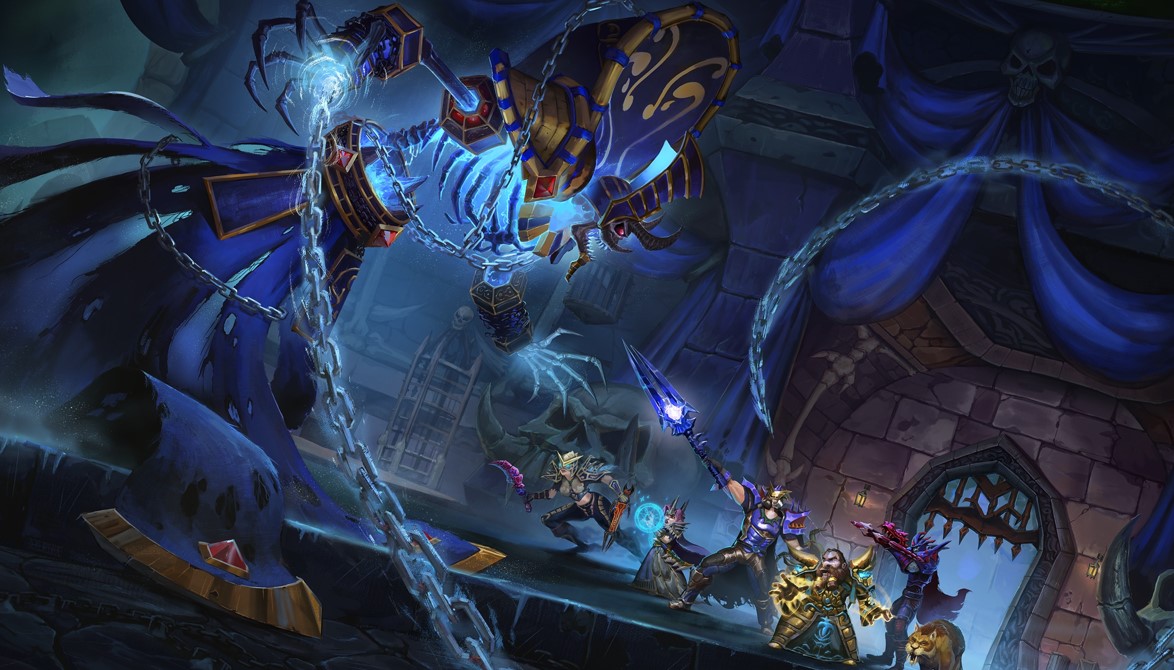
Raiding is the core endgame experience in World of Warcraft, where large groups of players work together to defeat powerful bosses, complete complex mechanics, and earn high-tier rewards. Unlike small dungeons, raids emphasize coordination, preparation, and teamwork across many players performing different roles simultaneously. For many players, raiding represents the most challenging and social form of PvE content in WoW. Some players prefer to build their progression from scratch, while others start faster by using services like the GoRanked platform, where it’s possible to buy WoW accounts that already have characters ready for higher-level content.
What Is a Raid?
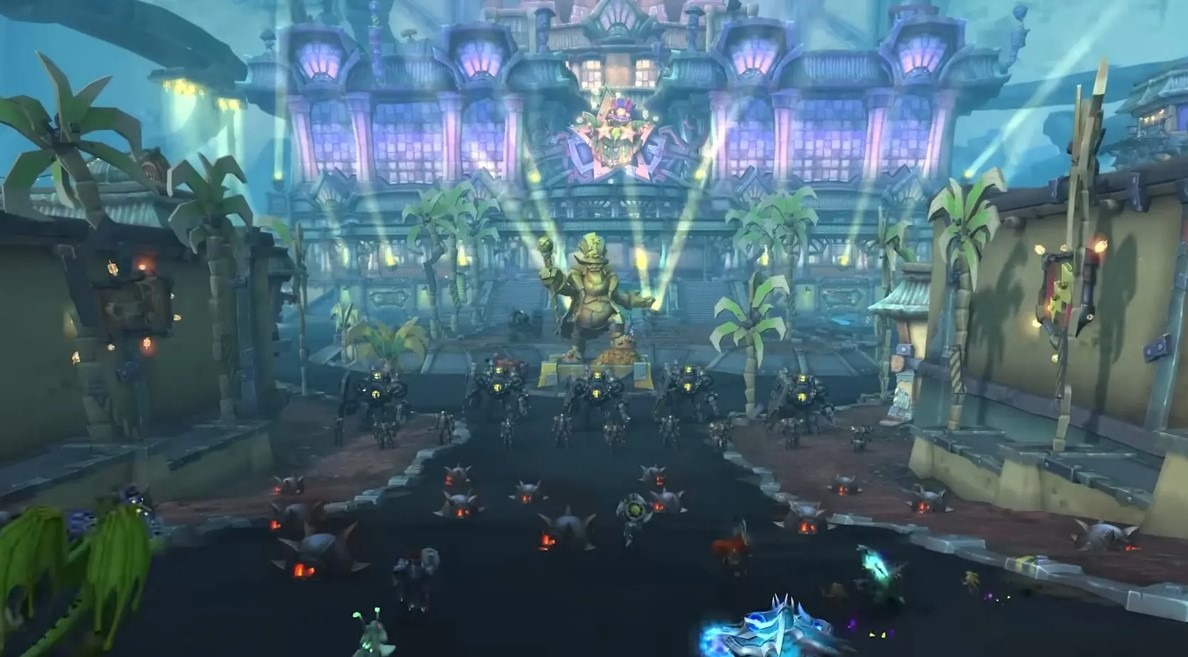
A raid in World of Warcraft is a large-scale PvE activity designed for groups that are significantly larger than normal dungeon parties. While standard dungeons typically involve five players, raids usually include anywhere from 10 to 30 players, depending on the game version and difficulty. These encounters take place in massive raid instances filled with multiple bosses, each built around unique mechanics that require coordinated execution.
The most noticeable difference between raids and dungeons is the scale of the encounters. Raid bosses have more health, more abilities, and mechanics that often affect the entire group simultaneously. Instead of focusing purely on speed like in Mythic+ dungeons, raids emphasize learning boss mechanics, adapting strategies, and improving as a team over multiple attempts.
Raid Structure and Roles in WoW
A successful World of Warcraft raid depends on clearly defined responsibilities. In WoW raids, each player performs a specific role that helps the group survive boss mechanics and complete encounters efficiently. The structure of a raid in WoW is built around three core roles—tanks, healers, and damage dealers—supported by leadership that coordinates strategy and communication during fights.
Tanks
Tanks are responsible for controlling enemy aggression during a WoW raid. Their main task is to keep the boss focused on them so that the rest of the group can perform their roles safely. Most encounters are designed around two tanks who switch control of the boss when certain mechanics apply stacking debuffs or cause heavy damage over time.
Positioning is another critical responsibility. Many bosses use powerful frontal abilities that can instantly eliminate players standing in the wrong place. Tanks must move and position the boss carefully so these attacks only affect them. In more complex encounters, tanks also handle additional enemies and coordinate defensive cooldowns during dangerous phases.
Healers
Healers keep the group alive during WoW raids by restoring health and preventing deaths during heavy damage phases. Raid encounters often include constant damage across the entire group, sudden bursts of damage on specific players, or mechanics that require quick healing reactions.
Because raid fights can last several minutes, healers must carefully manage their resources. Efficient mana usage allows them to maintain consistent healing throughout the encounter. Strong healers also anticipate incoming damage and prepare healing abilities before major mechanics occur.
DPS (Damage Dealers)
Damage dealers focus on eliminating enemies as quickly as possible in a WoW raid group. Their primary objective is to maintain high damage output while still reacting properly to boss mechanics such as area effects, movement requirements, and positioning rules.
Many raid encounters include damage checks where the group must defeat the boss before a certain mechanic overwhelms the raid. In these situations, strong DPS performance becomes critical. Skilled damage dealers also know when to prioritize additional enemies or assist with mechanics that threaten the raid’s survival.
Raid Leader
Most organized groups rely on a raid leader to coordinate strategy during a World of Warcraft raid. This player explains boss mechanics, assigns responsibilities before each pull, and makes real-time callouts during the encounter.
In larger or more structured teams, additional officers may assist with specific assignments such as healing coordination or damage priorities. Clear communication from leadership helps the raid stay organized, especially when learning new encounters.
Raid Difficulties
Raids in World of Warcraft offer several difficulty levels designed for different types of players. As the difficulty increases, bosses gain additional health, deal more damage, and introduce new mechanics that require stronger coordination and strategy.
LFR
WoW Raid Finder is the most accessible way to experience raid content. Players can queue automatically through the group finder tool, which assembles a raid group from the matchmaking system.
The mechanics in this mode are simplified and the difficulty is lower, allowing players to learn the basics of raid encounters without heavy coordination. It is often used by new players who want to experience raid environments before joining organized groups.
Normal
WoW raid difficulty on the Normal setting serves as the entry point for organized raiding. Groups must be assembled manually through the group finder or through a guild.
At this level, mechanics become more important and players are expected to understand basic raid concepts such as positioning, movement, and reacting to boss abilities. Normal raids are commonly used by casual guilds and players who are learning raid encounters for the first time.
Heroic
Heroic difficulty represents the next step in WoW raid progression. Encounters become significantly more demanding as bosses deal increased damage and punish mistakes more severely.
Raid groups running Heroic content must execute mechanics consistently and coordinate cooldowns effectively. Many guilds consider this level the standard for regular raid progression.
Mythic
Mythic difficulty is the most challenging form of World of Warcraft raids. These encounters introduce the most complex mechanics and require near-perfect execution from every player in the group.
Mythic raids are typically completed by highly organized guilds focused on progression. Teams attempting this difficulty often spend many hours learning each encounter, refining strategies, and improving performance to defeat the hardest bosses in the game.
Preparing for Your First Raid
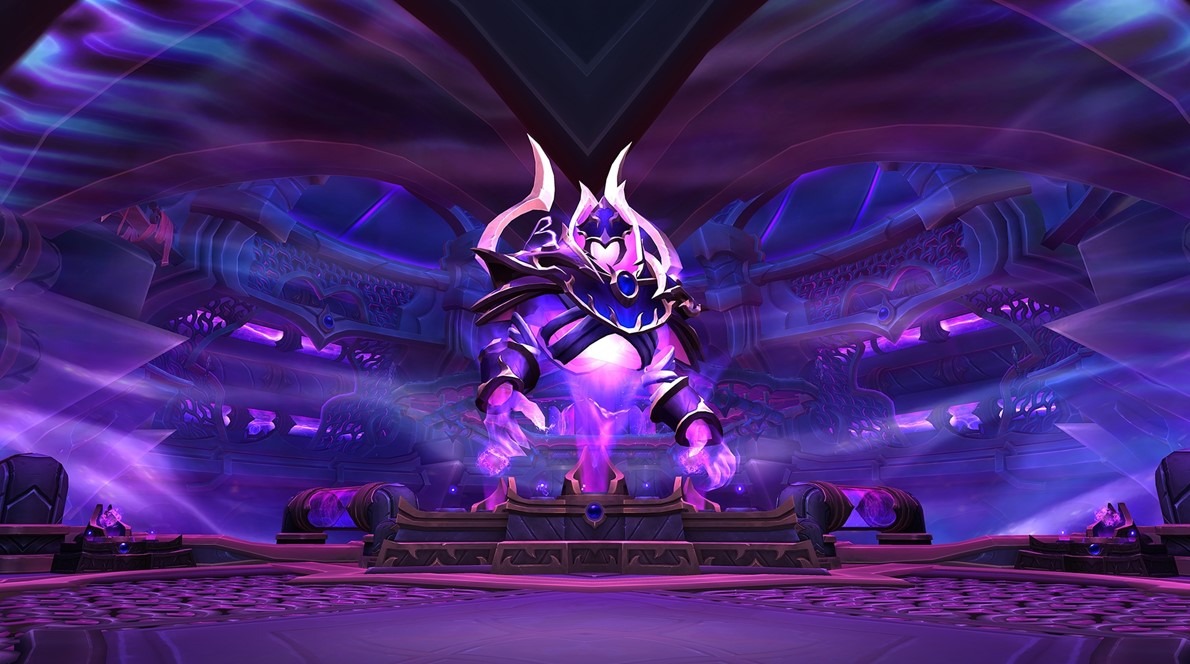
Entering your first WoW raid requires preparation. Unlike dungeons, World of Warcraft raids involve many players, longer encounters, and mechanics that punish unprepared participants. Showing up ready saves time for the entire group and increases the chance of successful boss kills.
Gear and Character Setup
Before joining WoW raids, make sure your gear is properly prepared. Items should be enchanted, gem sockets should be filled, and your specialization should match the role you plan to play. Even basic enchants and affordable gems are enough to show that you respect the group’s effort.
Item level also matters. While your gear does not need to match the raid’s loot exactly, it should be close enough that bosses are realistically killable. Players often farm dungeons, world content, or previous World of Warcraft raid tiers to reach a comfortable power level.
Consumables
Consumables provide temporary bonuses that help players perform better during a WoW raid. Common examples include flasks, food buffs, potions, and runes. These items increase damage, healing, or survivability and are considered standard preparation for organized raid groups.
Serious raid teams expect players to bring their own consumables for the entire session. In difficult raids in World of Warcraft, these small stat boosts can make the difference between defeating a boss and wiping at low health.
Learning Boss Mechanics
Understanding mechanics is one of the most important steps before entering raid WoW content. Boss fights are built around abilities that players must react to quickly, such as frontal attacks, ground effects, or movement-based mechanics.
Many players prepare by watching short strategy guides or reading boss summaries before the raid begins. Even basic knowledge allows the group to spend more time progressing instead of explaining every ability during the run.
Add-ons and Alerts
Helpful add-ons improve awareness during a World of Warcraft raid. Tools like Deadly Boss Mods or BigWigs provide warnings about incoming abilities and countdown timers for dangerous mechanics.
These alerts help players react faster and reduce mistakes. In complex WoW raid encounters, even experienced players rely on such add-ons to track boss abilities and coordinate movement with the rest of the team.
Finding a Raid Group
Getting into WoW raids usually requires joining a group of players who want to run the same content. Some players prefer casual runs, while others look for organized progression teams that raid regularly.
Group Finder
The in-game group finder is one of the fastest ways to locate a WoW raid group. Players can browse available raids, apply to join groups, or create their own listings for Normal or Heroic content.
Many listings include notes that describe the type of run. Phrases like “learning run,” “guild group,” or “progression raid” help players understand the expectations before joining.
Guild Raiding
Joining a guild is the most reliable way to participate in World of Warcraft raids. Guild raid teams usually follow a weekly schedule and progress through content together over time.
Playing with the same group consistently improves communication and coordination. Many players find that regular guild teams provide a more stable and enjoyable WoW raid experience compared to random groups.
Raid Requirements
Most groups set certain expectations before inviting players into WoW raids. These requirements often include minimum item level, knowledge of boss mechanics, and the ability to play a specific role.
More competitive teams may also review performance logs or run trial raids before offering a permanent spot. While these standards vary between groups, they help maintain a consistent level of performance during raid progression.
Wipes and Raid Recovery
Failure is a normal part of learning World of Warcraft raids. When a group dies during an encounter, the result is called a wipe. These situations are common while learning new bosses or attempting higher difficulty content.
What Is a Wipe
A wipe occurs when the entire team dies during a WoW raid encounter. This usually happens when mechanics are missed, damage becomes overwhelming, or the group cannot defeat the boss quickly enough.
Wipes are expected while learning new fights. Many progression groups spend several attempts studying mechanics and refining strategies before achieving their first kill.
Efficient Recovery
Recovering quickly after a wipe helps maximize attempts in WoW raids. Players typically release their characters, run back to the boss room, and prepare for another pull as soon as possible.
Efficient groups reduce downtime by repairing gear, rebuffing, and reapplying consumables without unnecessary delays. Over the course of a raid night, faster recovery can significantly increase the number of attempts on difficult bosses.
Learning from Mistakes
Each wipe in raid WoW content provides useful information. Players can review what caused the failure and adjust their strategy before the next attempt.
Sometimes the solution is simple, such as improving positioning or reacting faster to mechanics. In more complex encounters, the raid leader may modify the strategy or reassign responsibilities to increase the group’s chances of success.
Loot Distribution Systems
Loot is one of the rewards players receive from defeating bosses in WoW raids. Because many players compete for the same items, raid groups usually use specific systems to distribute gear fairly.
Loot Master
In many organized groups, loot is handled by a designated player known as the loot master during a World of Warcraft raid. This player distributes items according to the raid’s agreed rules.
Loot master systems allow raid leaders to prioritize upgrades that benefit the entire group’s progress. For example, gear might be given to players whose upgrades improve the raid’s overall performance.
Roll Systems
Random roll systems are common in pickup WoW raids. When an item drops, eligible players roll using the in-game command, and the highest number wins the item.
Most groups follow a priority order. Players rolling for their main role receive priority, followed by those who want the item for an alternate specialization.
Progression-Based Loot
Some progression-focused teams distribute items based on what benefits the WoW raid the most. Instead of personal preference, gear may go to players whose upgrades improve damage output, survivability, or healing efficiency for upcoming encounters.
Conclusion
Raiding is one of the core endgame activities in World of Warcraft. A successful WoW raid requires preparation, teamwork, and a clear understanding of mechanics and player roles.
Whether you start with LFR or move toward more challenging World of Warcraft raids, experience and coordination make a huge difference. With practice, learning raids in WoW becomes easier, and defeating bosses with your team becomes one of the most rewarding
More to read


WoW Patch 12.0.5 – Key Features, Class Changes, and What to Expect
WoW Patch 12.0.5 brings Void Assaults, the Voidforge system, class changes, and new activities. Learn how this World of Warcraft update reshapes gearing, gameplay, and the meta.

Dota 2 Patch 7.41: Why Valve Removed Aspects and What It Means for the Game
Dota 2 Patch 7.41 removes aspects, reshaping hero balance, drafting, and gameplay flow. Learn what changed, why Valve did it, and how the new Dota 2 meta works.


Fortnite Cheat Codes & Console Commands (2026): What Actually Works
Looking for Fortnite cheat codes in 2026? Learn which codes actually work, how to redeem them, where to find legit Fortnite codes, and how to avoid scams and fake cheats.


Miks Valorant Guide — All Abilities, Role, Best Teammates, and How To Play
Miks is Valorant's 30th agent and the first Controller who can heal. Here's a full breakdown of every ability, when to use each mode, and how to get the most out of him in ranked.
Dota 2 Patch 7.41 — All New Items, Neutral Items, and Tier List
Patch 7.41 added 9 new shop items and 8 neutral items to Dota 2. Here's what every item does, who should buy it, and which neutral items are actually worth picking up.

Shyvana Rework 2026 — New Abilities, Best Build, Skins, and Meta Impact
Shyvana's VGU finally landed in patch 26.6. New kit, new look, new dragon form that actually feels like a dragon.




Comments on the article
No comments yet. Be the first!
Leave a comment