


 Boost rating


 In-game currency


 Perplexity
 ChatGPT
 Grok
Grok
 Claude
 Post on Reddit
Enhance your gaming experience with our services
Get the most out of your game with professional solutions
Understanding the CS2 Skin Economy
The CS2 skin economy has evolved into one of the most complex virtual markets in gaming. Millions of players trade, collect, and invest in CS2 skins, creating a marketplace where digital items can reach prices of thousands of dollars. The value of skins in CS2 is influenced by rarity, player demand, and community trends rather than gameplay advantages. Many players participate in the market while also improving their competitive rank, and platforms like Goranked offer services where players can buy CS2 accounts or order boosting to progress faster in the competitive ladder.
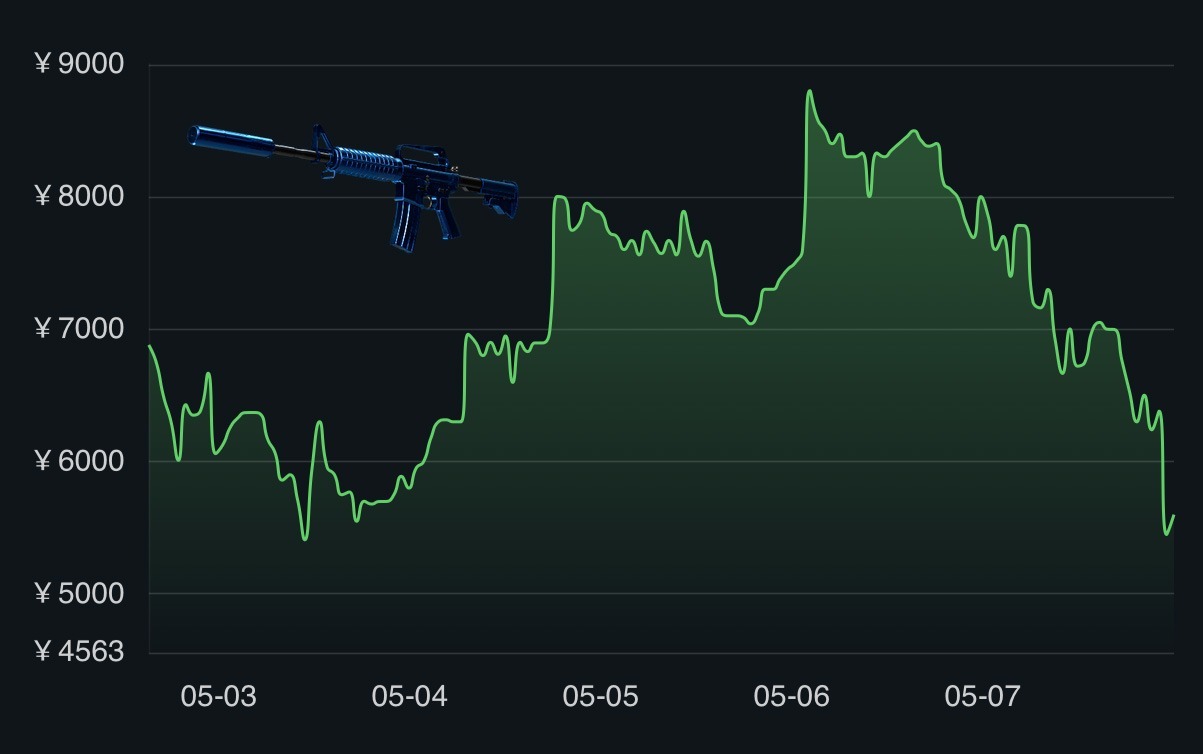
How the CS2 Skin Economy Works
The CS2 economy revolves around cosmetic weapon skins that players can obtain through cases, operations, and in-game drops. Once a player owns a skin, it can be traded or sold through the Steam Community Market or third-party trading platforms.
Most CS2 skins originate from weapon cases. To open a case, players must purchase a key, which introduces a random chance of receiving skins with different rarity levels. Because rare items appear less frequently, they naturally become more valuable in the market. Rarity tiers in CS 2 typically include:
Consumer Grade
Industrial Grade
Mil-Spec
Restricted
Classified
Covert
Rare Special Items (usually knives or gloves)
The introduction of Counter-Strike 2 also kept legacy skins from CS:GO, meaning the market now combines years of historical items with new collections. This continuity plays a major role in maintaining the stability of the CS2 skin market.
Buy CS2 Skins on Goкanked
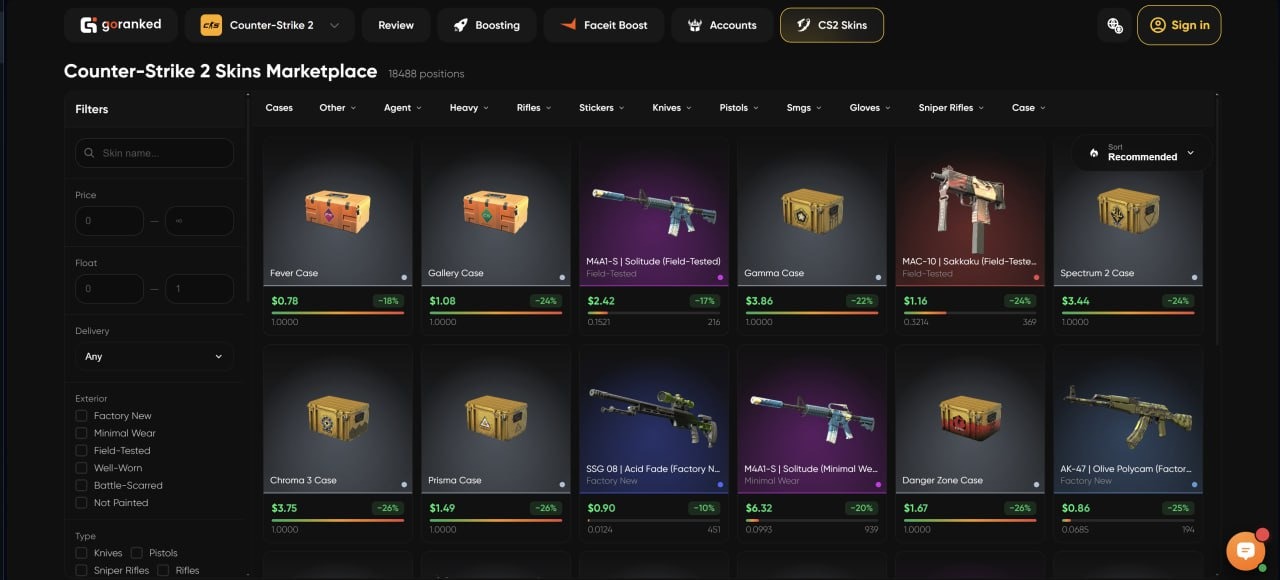
Players can also purchase CS2 skins directly on the Goranked platform. One of the main advantages is pricing — skins are often cheaper than on the Steam Community Market, and discounts of up to 24% make purchases more profitable compared to Steam.
The marketplace includes advanced filters, allowing users to sort CS 2 skins by weapon, rarity, price, condition, and other parameters. This helps quickly find the exact skin and remove unnecessary listings. Goranked also provides online chat support and a warranty on purchases, ensuring a safe transaction process.
How the Purchase Process Works
Buying skins in CS2 is simple:
Open the page of the desired skin.
Complete the payment.
Provide your Steam trade link during checkout.
A Goranked bot automatically sends a trade offer in Steam.
The whole process usually takes less than two minutes. Once the payment is completed, the trade offer is sent instantly and you only need to accept it in Steam to receive the skin.
Key Factors That Influence CS2 Skin Prices
The price of skins in CS2 is rarely random. Several factors determine whether a cosmetic item costs a few cents or thousands of dollars.
Rarity and Availability
Rare items from discontinued cases or old operations often become extremely valuable. Limited supply increases demand within the CS2 economy, especially for collectors.
Wear Condition
Each skin has a wear rating that affects its visual quality. The common wear tiers include:
Factory New versions of CS2 skins often sell for much higher prices.
Pattern and Special Variants
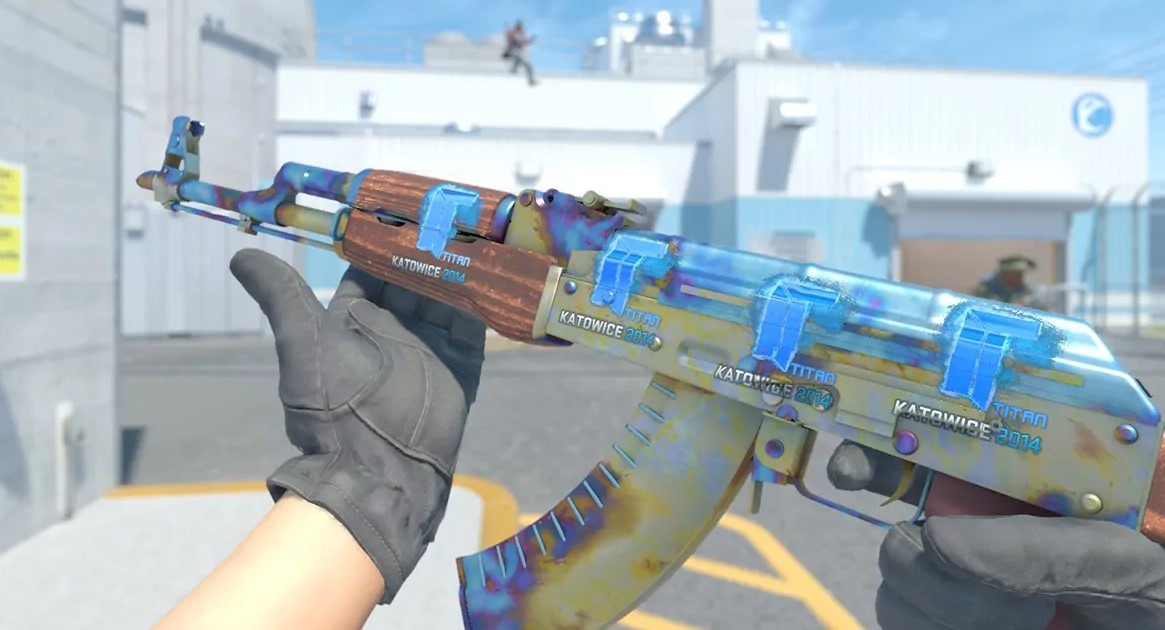
Certain skins have unique patterns or rare finishes. Examples include special case-hardened patterns or Doppler phases on knives. These variations can dramatically increase the value of CS 2 items.
Community Demand
Popularity also matters. When professional players use certain skins during major tournaments, demand in the CS2 market often increases.
Game Updates
Valve updates sometimes introduce new cases or remove older collections. Changes like this can instantly affect prices across the Counter-Strike economy.
CS2 Market Supply and Demand Dynamics
Like any marketplace, the CS2 economy depends heavily on supply and demand. If many players open a newly released case, the market quickly fills with new skins. Prices usually drop during this early period because supply is high.
Older skins behave differently. Over time, cases become rarer as fewer players open them. This gradually reduces the number of new items entering the CS2 skin market, which often leads to price increases.
Another factor is player activity. When a large update or tournament attracts more players to CS 2, demand for popular skins rises. More players want cosmetic items, and prices react accordingly.
Seasonal patterns also appear in the CS2 trading market. Prices sometimes rise during major esports events when interest in Counter-Strike increases.
How to Analyze CS2 Skin Price Trends
To track and predict CS2 skin prices, focus on the following key factors:
Historical Price Charts: Use Steam Market or third-party tools to review past price changes of CS2 skins. Older case items often show long-term growth patterns.
Market Listing Volume: Monitor how many skins are listed. A sudden increase in supply for a particular CS 2 skin can temporarily lower its price.
Community Discussions: Follow Reddit, trading forums, and social media. Popularity or hype around specific skins can drive demand and influence the CS2 economy.
Update Monitoring: Track game patches, new operations, and case releases. Changes in the game often cause immediate shifts in skin values.
This approach helps players and traders make informed decisions in the CS2 market.
CS2 Skin Investment Strategies
Investing in Counter-Strike 2 skins often begins with identifying rarity and supply. Many traders prioritize rare CS2 skins that come from limited cases or older collections, since low supply usually supports long-term price growth. Particular attention is paid to float value and pattern index, because skins with extremely low float (Factory New) or rare patterns can become highly desirable among collectors.
Another important element is diversification across popular cosmetic categories such as knife skins, AK-47 skins, AWP skins, and collectible CS2 stickers. Traders also actively use trade-up contracts to convert mid-tier items into covert or gold-tier skins. To track profitable opportunities, many players analyze price history and demand through platforms like Steam Community Market and Steam Analyst.
Current Market Trends in the CS2 Economy
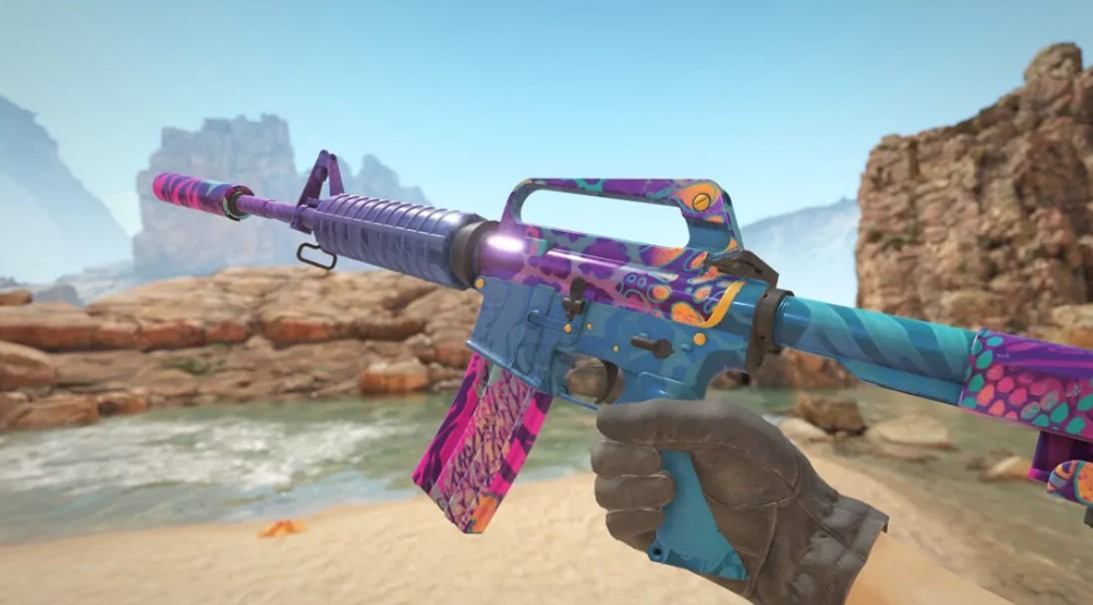
The Counter-Strike 2 skin market is strongly influenced by esports events and limited releases. Items connected to tournaments, including CS2 tournament stickers, often experience rapid price spikes when demand rises around major competitions.
At the same time, many mid-tier skins maintain steady prices because they are frequently used in-game. Traders often look for rare pattern variations or low-float skins to resell at higher prices, while discontinued cases and older collections are becoming increasingly attractive for long-term collectors in the CS2 economy.
Risks and Challenges in the CS2 Skin Market
The CS2 skin economy also carries several risks. Regulatory changes may affect loot box mechanics or restrict purchases in certain regions, which could reduce demand for cases and skins. Security remains another concern, as valuable inventories attract phishing attacks, account theft, and fraudulent trades.
In addition, the market depends heavily on centralized platforms like the Steam Community Market. Price speculation and hype can create temporary bubbles, where certain skins rapidly rise in price and then suddenly drop.
The Future of the CS2 Skin Economy (Toward 2027)
Over time, CS2 skins are increasingly being viewed not only as cosmetic items but also as digital collectibles. Advanced analytics tools and market tracking services are expected to play a larger role in helping traders analyze supply, rarity, and price trends.
Rare skins, discontinued cases, and low-float items may become even more valuable as collectors search for unique assets inside the Counter-Strike 2 ecosystem. Event-related cosmetics and esports stickers will likely continue to surge in value during major tournaments.
Conclusion
The market for CS2 skins combines elements of gaming, collecting, and digital trading. Casual players focus on visual customization, traders analyze market trends and price movements, while collectors prioritize rarity and historical value.
As the Counter-Strike 2 economy develops, it is likely to become more data-driven and closely tied to esports events, creating new opportunities for traders and collectors in the coming years.
More to read


WoW Patch 12.0.5 – Key Features, Class Changes, and What to Expect
WoW Patch 12.0.5 brings Void Assaults, the Voidforge system, class changes, and new activities. Learn how this World of Warcraft update reshapes gearing, gameplay, and the meta.

Dota 2 Patch 7.41: Why Valve Removed Aspects and What It Means for the Game
Dota 2 Patch 7.41 removes aspects, reshaping hero balance, drafting, and gameplay flow. Learn what changed, why Valve did it, and how the new Dota 2 meta works.

Fortnite Cheat Codes & Console Commands (2026): What Actually Works
Looking for Fortnite cheat codes in 2026? Learn which codes actually work, how to redeem them, where to find legit Fortnite codes, and how to avoid scams and fake cheats.

Miks Valorant Guide — All Abilities, Role, Best Teammates, and How To Play
Miks is Valorant's 30th agent and the first Controller who can heal. Here's a full breakdown of every ability, when to use each mode, and how to get the most out of him in ranked.
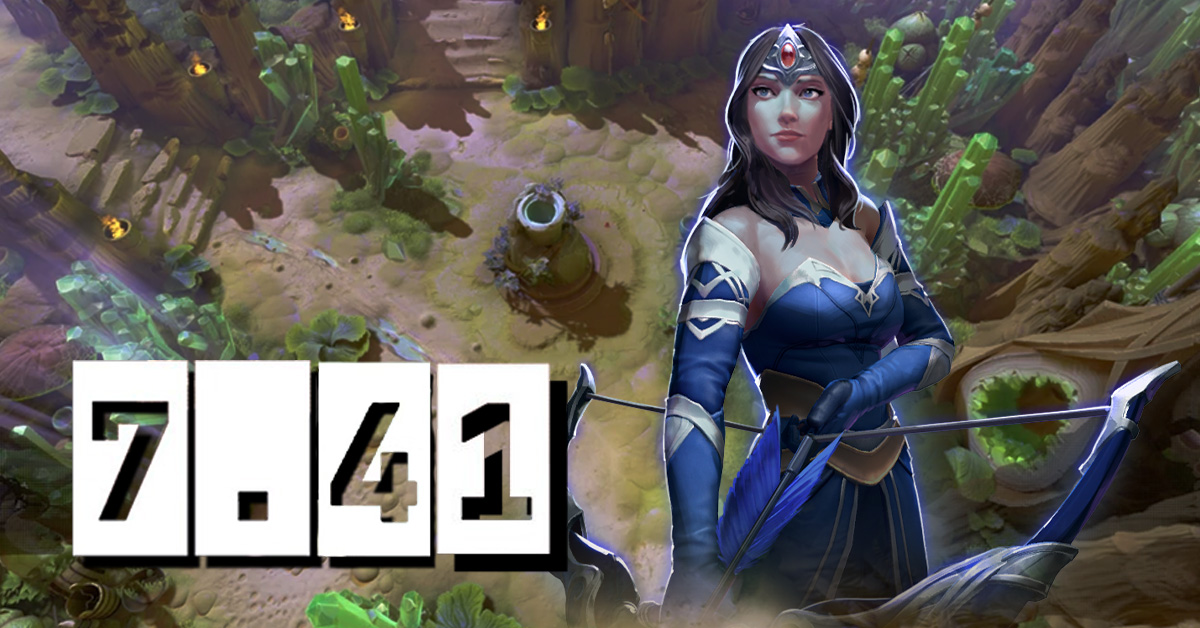
Dota 2 Patch 7.41 — All New Items, Neutral Items, and Tier List
Patch 7.41 added 9 new shop items and 8 neutral items to Dota 2. Here's what every item does, who should buy it, and which neutral items are actually worth picking up.
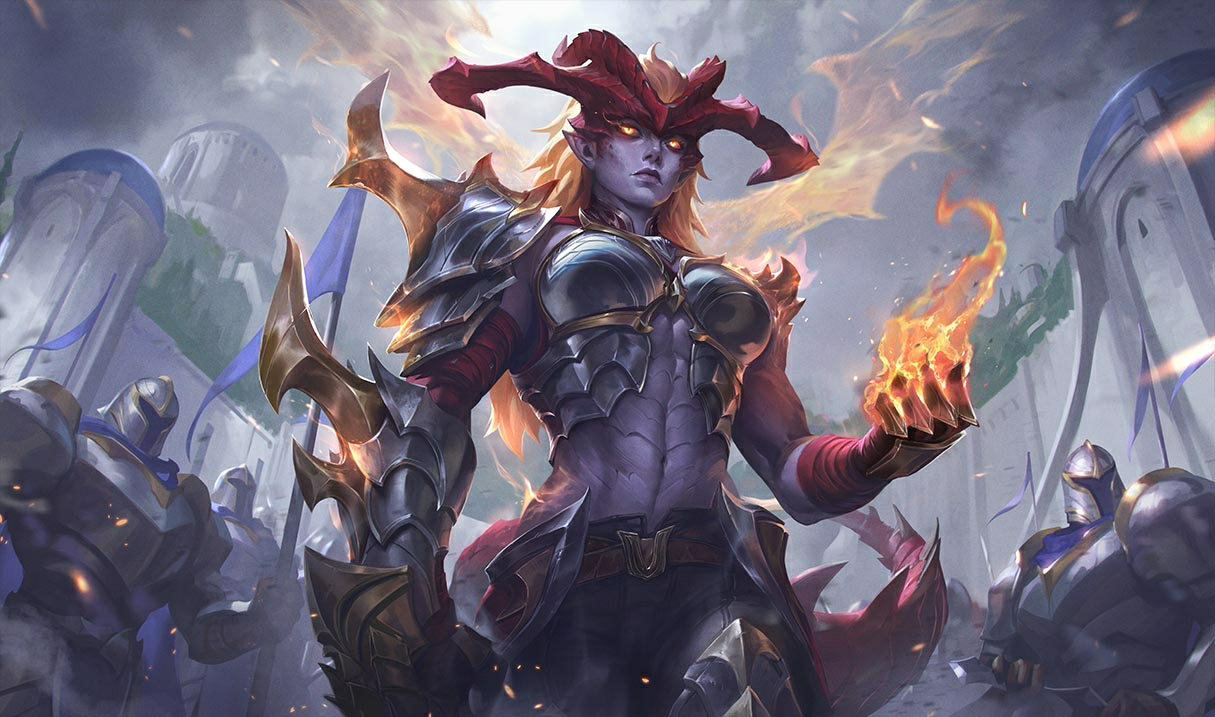

Shyvana Rework 2026 — New Abilities, Best Build, Skins, and Meta Impact
Shyvana's VGU finally landed in patch 26.6. New kit, new look, new dragon form that actually feels like a dragon.




Comments on the article
No comments yet. Be the first!
Leave a comment