


 Boost rating


 In-game currency


 Perplexity
 ChatGPT
 Grok
Grok
 Claude
 Post on Reddit
Enhance your gaming experience with our services
Get the most out of your game with professional solutions

How to Read Dota 2 Patches: What the Numbers and Letters in Updates Mean
A patch — or "fix" — is a term that came from rather dark times but gained a new meaning in the context of the gaming industry. In Dota 2, a patch primarily refers to a change, innovation, or fix that partially or completely alters the gameplay experience.
Generally, patches can be divided into three categories:
- Update. A major game update: global changes affecting all or most of the game’s mechanics, graphics, and gameplay.
- Patch. A medium-sized update in terms of scale and significance, introducing minor adjustments to the game world, balance, skills, or their algorithms that affect stats.
- Bug fix. Fixing issues in game mechanics, graphics, gameplay, skills, character behavior, technical glitches, or exploits that allow unfair advantages.
All these changes are usually bundled into a Dota 2 patch, and each update is labeled with special codes, mainly numbers and letters. Today, you'll learn how to read these codes and understand the content introduced in a new Dota 2 patch.
The History of Patches in Dota: From the First Version to Today
The first Dota 2 patch appeared back in 2011 with the release of the closed beta. Most updates up to 2013 (the public launch) gradually introduced heroes and polished mechanics but didn’t bring any drastic changes.
In 2013, Dota 2 patch 6.79 slightly changed the "turtle" strategy and the experience gain system. In 2014, a new Dota 2 patch introduced rune mechanics and changed the map geometry. In 2015, the release of Dota 2 Reborn marked the final step toward the game’s modern form.
The global Dota 2 patch 7.0 introduced the talent system, revamped the HUD, added a new hero, and changed the map. Up to 2020, new heroes appeared, mechanics evolved, and the gameplay shifted toward a more dynamic style.
The 2020–2023 period was marked by balance tweaks in patches 7.27, 7.30, and 7.32.
With patch 7.33, the game underwent massive changes. For instance, the map was expanded by 40%, new bosses and gatekeepers were added, and Roshan mechanics were changed. The latest Dota 2 patch, 7.38c, brought balance adjustments and fixed a number of serious issues.
How is patch numbering structured?
To identify changes in each update, a numbering format X.Y.Z is used:
- X – a global Dota 2 patch with many major changes. For example, the transition from version 6.yz to 7.yz, where all aspects of the game were radically overhauled.
- Y – fairly large-scale changes affecting the map, mechanics, talents, gameplay, and introducing new heroes, items, and systems.
- Z – minor changes, often related to bug fixes, balance tweaks, damage adjustments, mechanics, damage calculation systems, and how skills interact with the environment.
Patch numbering can also include letter values like a, b, c, and so on. These indicate balance changes for specific heroes or small mechanical adjustments.
How often are patches released, and why?
Each Dota 2 patch changes something in the game, which means it can negatively affect players who are actively learning the meta. And while Valve doesn't follow a strict patching strategy, some patterns can be observed:
Major updates are released about 1–2 times a year. These come with a lot of changes, making it a good time to study what's new.
Medium-sized updates appear every 2–3 months and bring new mechanics, reworked skills, heroes (sometimes new ones), items, and map updates.
Small patches are released every 2–6 weeks and usually contain minor balance tweaks, adjustments to hero stats, skills, items, and occasionally map changes.
Recently, the developer has been in no hurry to roll out new updates, focusing instead on fewer but more meaningful changes.
How do patches change game balance?
The changes affect various aspects. For example, the amount of damage dealt might be fixed, or the AOE skill mechanics might be changed so damage is applied even to static objects. More global updates involve major hero and map reworks, encouraging players to explore new characters, combinations, and tactics.
For instance, an upcoming Dota 2 patch might impact the current meta by weakening it or, on the contrary, strengthening already trending heroes.
No matter how patches change the gameplay, you should still improve your skills with all heroes. This is much easier if you use the mentoring service offered by Goranked.GG.
More to read


WoW Patch 12.0.5 – Key Features, Class Changes, and What to Expect
WoW Patch 12.0.5 brings Void Assaults, the Voidforge system, class changes, and new activities. Learn how this World of Warcraft update reshapes gearing, gameplay, and the meta.

Dota 2 Patch 7.41: Why Valve Removed Aspects and What It Means for the Game
Dota 2 Patch 7.41 removes aspects, reshaping hero balance, drafting, and gameplay flow. Learn what changed, why Valve did it, and how the new Dota 2 meta works.


Fortnite Cheat Codes & Console Commands (2026): What Actually Works
Looking for Fortnite cheat codes in 2026? Learn which codes actually work, how to redeem them, where to find legit Fortnite codes, and how to avoid scams and fake cheats.

Miks Valorant Guide — All Abilities, Role, Best Teammates, and How To Play
Miks is Valorant's 30th agent and the first Controller who can heal. Here's a full breakdown of every ability, when to use each mode, and how to get the most out of him in ranked.
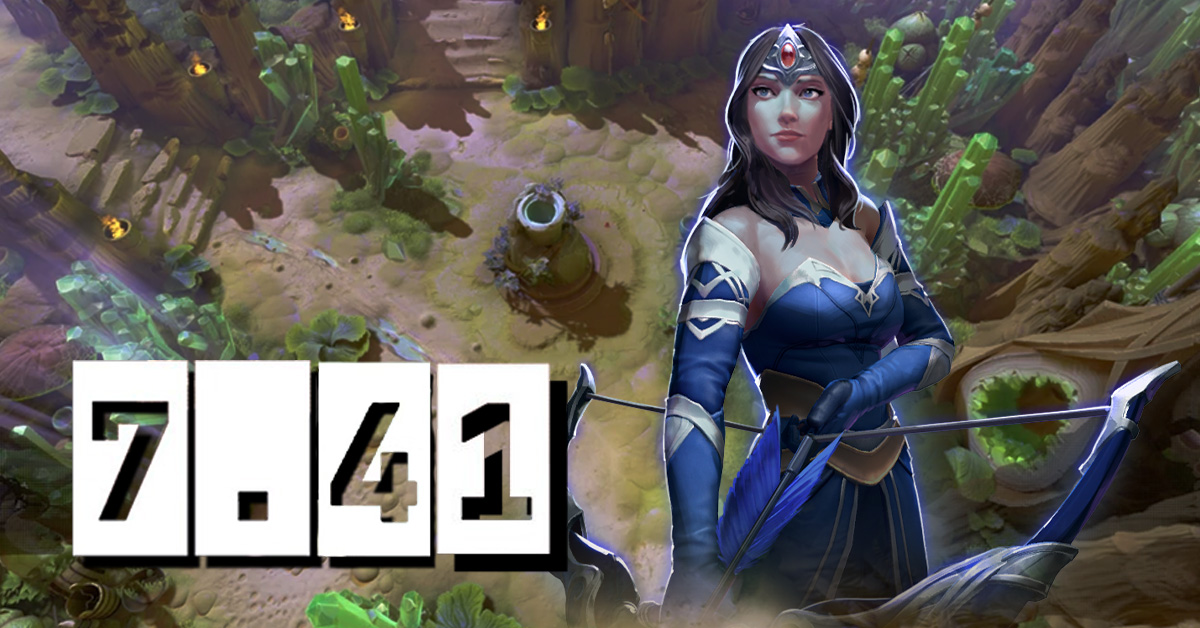
Dota 2 Patch 7.41 — All New Items, Neutral Items, and Tier List
Patch 7.41 added 9 new shop items and 8 neutral items to Dota 2. Here's what every item does, who should buy it, and which neutral items are actually worth picking up.
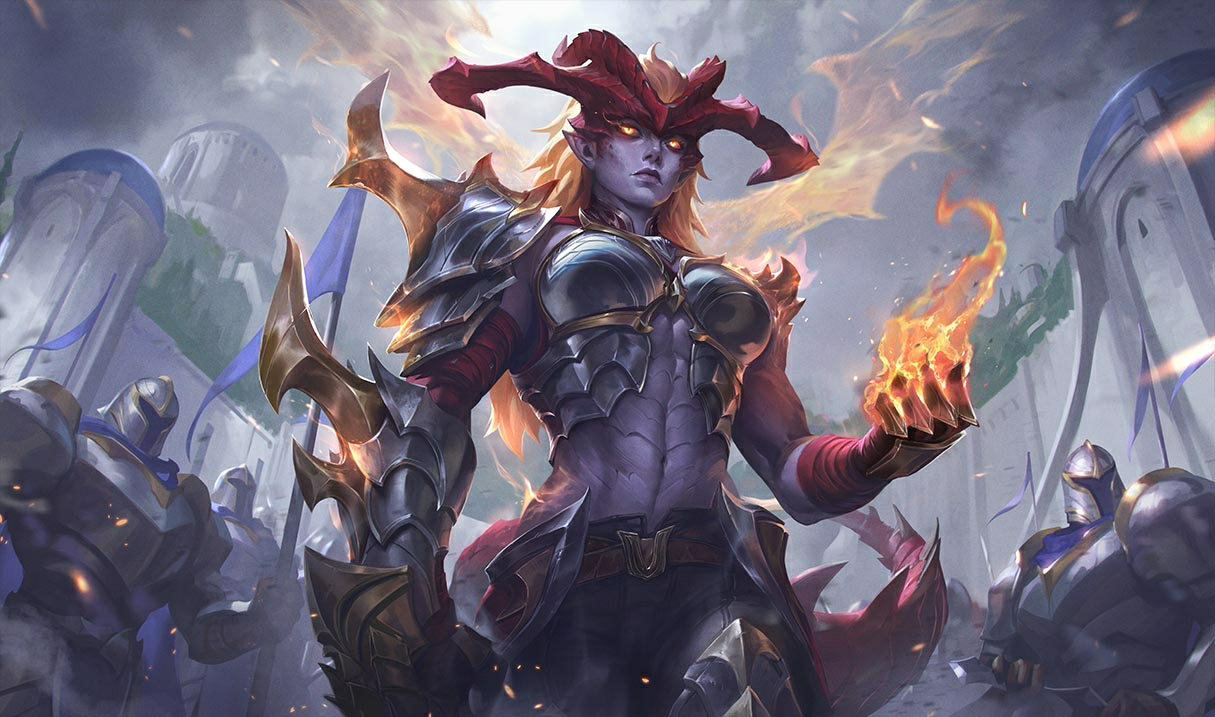

Shyvana Rework 2026 — New Abilities, Best Build, Skins, and Meta Impact
Shyvana's VGU finally landed in patch 26.6. New kit, new look, new dragon form that actually feels like a dragon.



Comments on the article
No comments yet. Be the first!
Leave a comment