


 Zwiększanie rankingu


 Waluta w grze


 Perplexity
 ChatGPT
 Grok
Grok
 Claude
 Post on Reddit
Popraw swoje wrażenia z gry dzięki naszym usługom
Wykorzystaj pełen potencjał gry dzięki profesjonalnym rozwiązaniom


Dota 2 Rank Confidence Explained: How Glicko Works and How to Increase It
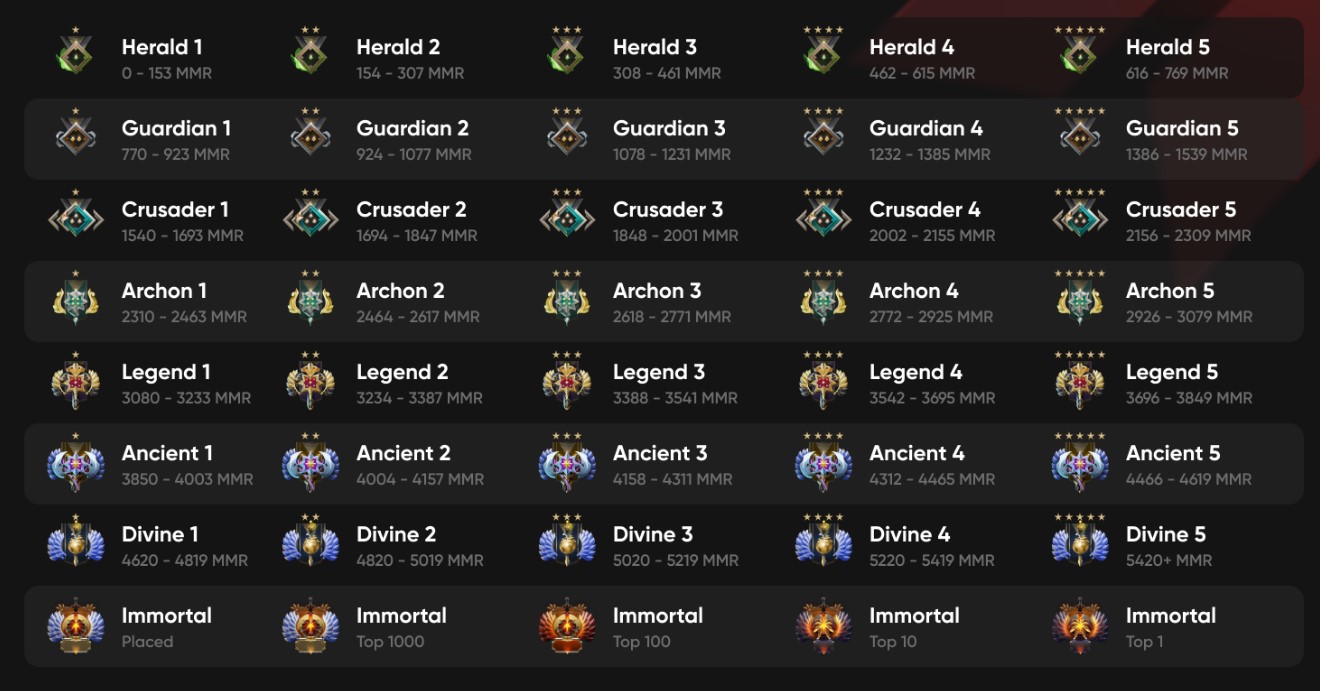
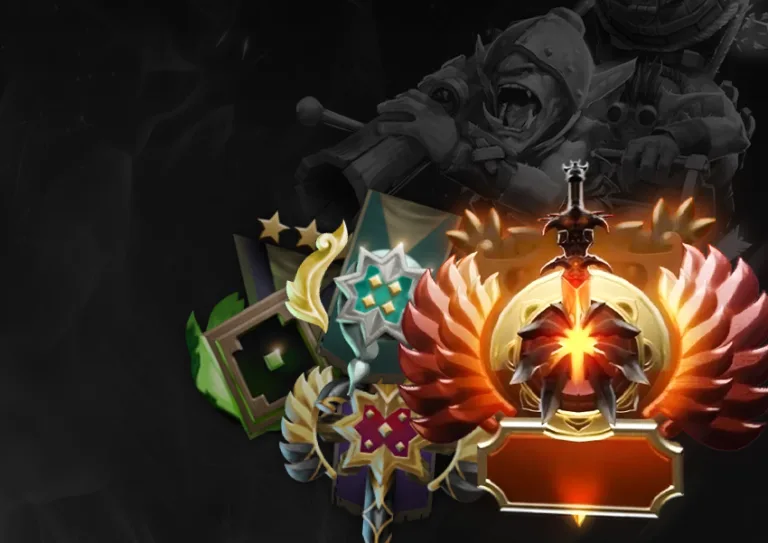
Dota 2 has one of the most complex matchmaking systems in competitive gaming, and that’s not by accident. With millions of active players, smurfs, boosters, account buyers, and people coming back after long breaks, the game constantly has to answer one question: how strong is this player right now? For players who want to rank up faster without excessive grinding, professional Dota 2 MMR boosting is available.
That’s where Dota 2 Rank Confidence and the Glicko-based system come in. These systems don’t just look at your wins and losses. They try to understand how reliable your rating is and how quickly it should change. If you’ve ever felt like your rank is “stuck” or, on the contrary, jumping too fast, this is the reason why.
Why Valve Keeps Touching Matchmaking
Valve doesn’t update matchmaking because it’s bored. It does it because Dota is a massive ecosystem, and even small flaws scale into big problems over time. Dota 2 Smurfs ruin low-rank games, boosted players don’t belong where they end up, and inactive players return in a completely different form than before.
On top of that, cheating and account abuse have become more aggressive over the years. Large ban waves help, but bans alone don’t fix matchmaking quality. The system itself needs to react faster and place players where they actually belong, not where their account history says they should be.
That’s why Valve keeps adjusting how ranking works. The goal isn’t to make climbing harder or easier, but to make it more accurate. A good matchmaking system should quickly identify outliers, stabilize consistent players, and reduce the number of games that feel unfair from the start.
What Actually Changed in Dota 2 Ranked
The biggest change isn’t something you see directly in the client. Valve shifted the logic behind how ratings are evaluated and updated. Instead of relying on a simple win–loss number, the system now cares much more about certainty.
Dota 2 Rank Confidence and the Glicko Approach
Rank Confidence represents how sure the system is about your current Dota 2 MMR. If you play regularly, that confidence grows. If you stop playing for a long time or have very inconsistent results, it drops. This directly affects how your rank behaves after each match.
Glicko improves on the old Elo idea by tracking not only your rating, but also how stable it is. Early games, recalibration matches, or long returns to Dota 2 ranked matter more because the system is still learning. As you play more, MMR changes become narrower and more predictable.
This is also why the first matches after calibration feel so impactful. The system allows bigger jumps because it’s still adjusting. Later on, it becomes stricter, not to punish you, but because it already has enough data to trust your rating.
What This Means in Practice
Ultimately, only wins affect your MMR, great stats won’t save you in a lost game. The system no longer rewards flashy stats if they don’t lead to victory, which pushes players toward team-oriented gameplay instead of selfish farming or kill chasing.
Smurfs tend to climb faster, boosted players fall faster, and consistent players get more stable games over time. For most regular players, this results in fewer extreme mismatches and a ranking experience that feels slower, but fairer.
Rank Confidence
Dota 2 Rank Confidence is one of the least visible but most influential parts of Dota 2’s ranked system. You don’t see it as a number, but you feel it in how your rank reacts to games. At its core, it measures how confident the system is that your current Dota 2 MMR truly represents your skill level.
This confidence builds over time as you play ranked matches. The system doesn’t care whether you win or lose when it comes to confidence itself, it cares about data. When rank confidence is high, your MMR becomes more resistant to short streaks. A few wins won’t instantly boost your medal, and a few losses won’t immediately drop it either. This is why long-term players often feel like climbing takes longer than it used to.
When rank confidence is low, the system behaves much more aggressively. This usually happens in a few common situations:
you’re a new player entering ranked
you’re returning after a long break
your match history is inconsistent or sparse
In these cases, the system allows bigger MMR changes because it’s still trying to place you correctly. This is why early calibration matches or post-break games feel so important — they actually are.
Valve introduced rank confidence to reduce abuse of the Dota 2 ranked system. Smurfs, boosters, and account buyers all rely on slow correction. Rank confidence speeds that correction up. At the same time, it stabilizes honest players who queue regularly and perform consistently.
Glicko Rating System
The Glicko rating system is the framework that makes rank confidence possible. It’s an upgrade over the traditional Elo system, designed to reach accurate ratings faster and with fewer mistakes when player data is unstable.
Elo only looks at wins and losses. Glicko goes a step further by tracking uncertainty. That means the system doesn’t just ask “Did you win?”, but also “How sure are we about this player’s level?” This extra layer is what allows Dota 2 to handle new accounts, smurfs, and returning players more effectively. In practice, Glicko affects ranked games in several noticeable ways:
early matches matter more than later ones
MMR jumps shrink as more data is collected
unstable accounts move faster than stable ones
This is why the first Dota 2 ranked games during calibration or recalibration can result in large rank changes. The system starts flexible, then tightens as it becomes more confident in its evaluation.
Another important aspect of Glicko in Dota 2 is its focus on match results rather than individual performance. As long as you win, you gain MMR. Personal stats don’t override the outcome. This removes incentives to play selfishly and shifts the focus toward winning as a team.
The Dota system is also designed to correct extreme cases quickly. Smurf accounts that outperform their bracket are pushed upward faster. Boosted or misplaced players who underperform lose MMR more rapidly. Over time, this reduces the number of games where one player clearly doesn’t belong.
Tips for Climbing Ranked with Rank Confidence
Understanding how Rank Confidence and Glicko work is one thing, but applying it to your games is another. Here are some practical tips to make the system work in your favor:
Play consistently, not excessively: One focused match a day is better than ten rushed games. The system values steady performance.
Stick to heroes and roles you know: Keeping a relatively stable hero pool and role helps the system build a clear profile of your skill.
Avoid long breaks during ranked seasons: Returning after weeks off can make your rank swing more than you expect.
Focus on wins, not stats: Even if you get high kills or farm, Dota 2 MMR only tracks match outcomes. Team play matters more than flashy numbers.
Take recalibration seriously: The first few games after calibration carry extra weight. Play focused and avoid tilted decisions — they can set your rank trajectory for a while.
These tips don’t guarantee a fast climb, but they help the system read you more accurately and stabilize your MMR over time. Think of it as playing smarter, not just harder.
How to Increase Rank Confidence
Dota Rank confidence isn’t something you can grind directly. There’s no shortcut, no hidden trick, and no “perfect” playstyle that boosts it faster. The system increases confidence when it gets clear, consistent data about you as a player.
The most important factor is simply playing ranked matches regularly. Consistency matters more than volume in one day. A steady flow of games tells the system that your current performance reflects your real level, not a temporary spike or slump. A few things genuinely help rank confidence grow over time:
playing ranked instead of jumping constantly between modes
avoiding long breaks during active ranked periods
keeping a relatively stable hero pool
maintaining a consistent role or playstyle
This doesn’t mean you can’t experiment, but wild swings in behavior make it harder for the system to read you. The clearer your profile, the faster confidence stabilizes.
Winning is still crucial, but not in the way many players think. Confidence itself grows whether you win or lose, but wins decide where your MMR ends up once that confidence is locked in. If you play consistently and win more than you lose, the system eventually has no reason to doubt your climb.
What doesn’t help is trying to “game” the system. Chasing stats, forcing greedy picks, or playing for personal performance in lost games doesn’t increase confidence and doesn’t protect your MMR. The system is built around outcomes, not highlights.
Recalibration periods deserve special attention. The first few games after recalibration carry more weight because confidence is lower. Playing unfocused, tilted, or unprepared during this phase can lock you into a worse position for a long time. Treat these games seriously, because the system does.
How Glicko and Rank Confidence Work Together
Glicko and rank confidence are two parts of the same mechanism. One controls how your MMR changes, the other controls how confident the system is about making those changes. Together, they decide how fast or slow your rank moves. To make this easier to understand, here’s how they interact in practice:
New account or calibration
rank confidence: low
Glicko behavior: large MMR swings
player experience: fast rank changes, matches feel very important
Returning after a long break
rank confidence: reduced
Glicko behavior: flexible adjustment
player experience: wins and losses feel more impactful
Consistent ranked play
rank confidence: high
Glicko behavior: narrow MMR changes
player experience: rank feels stable or “sticky”
Smurf-like gameplay
rank confidence: low (initially)
Glicko behavior: rapid upward adjustment
player experience: sharp rank increase
Booster or incorrectly placed player
rank confidence: decreases over time
Glicko behavior: strong negative adjustment
player experience: fast rank drop
Dota 2 Impact on Smurfs, Boosted, and Inconsistent Players
One of the main reasons Valve moved toward this system was to deal with players who don’t belong in their current rank. Dota Glicko and rank confidence are designed to correct these cases faster than older systems.
Dota 2 smurfs usually trigger low confidence very quickly. Their performance doesn’t match their starting rating, so the system allows larger MMR gains and pushes them upward faster. This shortens the time they spend ruining lower-ranked games.
Boosted players experience the opposite effect. If someone consistently underperforms at their rank, the system detects the mismatch and applies stronger negative adjustments. Over time, this pulls them down to a bracket that fits their actual level.
Inconsistent players fall somewhere in between. Big gaps in playtime, frequent role swaps, or unstable performance keep confidence lower for longer. This leads to more volatile rank behavior and less predictable matchmaking until enough data is collected.
Downsides and Friction Points
Even though the system is more accurate overall, it comes with trade-offs. Some of them are structural, others are about how ranked feels on a day-to-day basis.
Common friction points include:
early calibration games being extremely punishing
large MMR losses for returning or inactive players
no protection for strong individual performance in a loss
slower visible progress once rank confidence is high
frustration for players who improve faster than the system updates
For new or returning players, the system can feel unforgiving. A few bad games early on can lock you into a lower bracket, and climbing back takes time because confidence stabilizes quickly afterward.
Another major pain point is the focus on match results only. If you play well but lose, your Dota2 MMR loss is the same as your teammates’. While this discourages selfish play, it can feel demoralizing in unbalanced games.
Finally, high Dota 2 Rank Confidence can work against motivated players. Once the system fully trusts your rating, it becomes conservative. Progress slows down, and climbing turns into a marathon rather than a sprint.
Final Thoughts
Dota 2’s current ranked system is built around accuracy, not speed. Glicko and rank confidence work together to reduce abuse, stabilize matchmaking, and place players where they actually belong over time.
It can feel unforgiving, slow, or even confusing, but it’s far more resistant to smurfing, boosting, and manipulation than older systems. The trade-off is that climbing now requires consistency, patience, and a focus on winning rather than personal highlights.
The system has its flaws, and Valve will probably keep fine-tuning it over time. But in its current form, it rewards players who play regularly, improve steadily, and understand that Dota 2 ranked is a long-term process — not a sprint.
Przeczytaj także


Patch 12.0.5 do WoW – Kluczowe funkcje, zmiany klas i czego się spodziewać
Patch 12.0.5 do WoW wprowadza Ataki Pustki, system Voidforge, zmiany klas oraz nowe aktywności. Dowiedz się, jak ta aktualizacja World of Warcraft zmienia wyposażenie, rozgrywkę i metę.

Dota 2 Patch 7.41: Dlaczego Valve usunęło aspekty i co to oznacza dla gry
Aktualizacja Dota 2 7.41 usuwa aspekty, przekształcając równowagę bohaterów, draftowanie i przebieg rozgrywki. Dowiedz się, co się zmieniło, dlaczego Valve to zrobiło i jak działa nowa meta Dota 2.


Kody cheatów i komendy konsoli do Fortnite (2026): Co faktycznie działa
Szukasz kodów cheat do Fortnite w 2026 roku? Dowiedz się, które kody faktycznie działają, jak je zrealizować, gdzie znaleźć legalne kody do Fortnite oraz jak unikać oszustw i fałszywych cheatów.
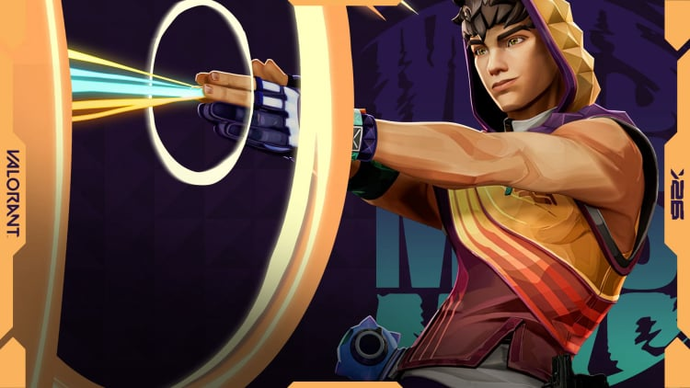

Przewodnik Miks Valorant — Wszystkie umiejętności, rola, najlepsi współpracownicy i jak grać
Miks jest 30. agentem w Valorant i pierwszym Kontrolerem, który potrafi leczyć. Oto pełny opis każdej umiejętności, kiedy używać każdego trybu i jak najlepiej wykorzystać go w rozgrywkach rankingowych.
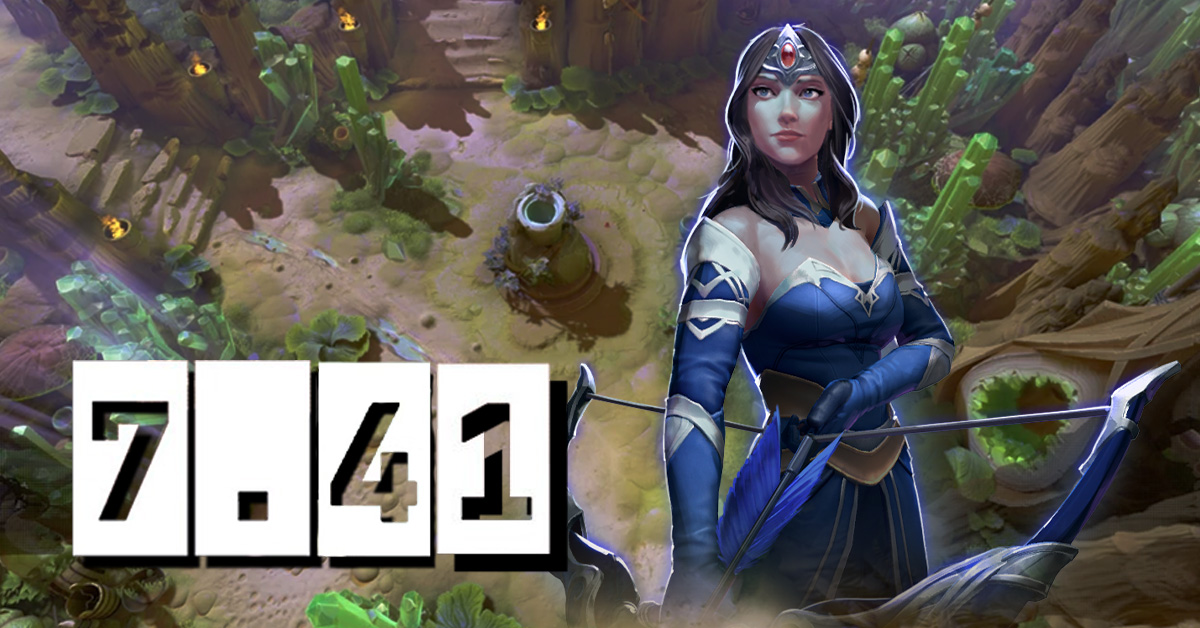
Dota 2 Patch 7.41 — Wszystkie Nowe Przedmioty, Przedmioty Neutralne i Lista Tierów
Patch 7.41 dodał 9 nowych przedmiotów do sklepu i 8 przedmiotów neutralnych do Dota 2. Oto, co robi każdy przedmiot, kto powinien go kupić i które przedmioty neutralne naprawdę warto podnieść.
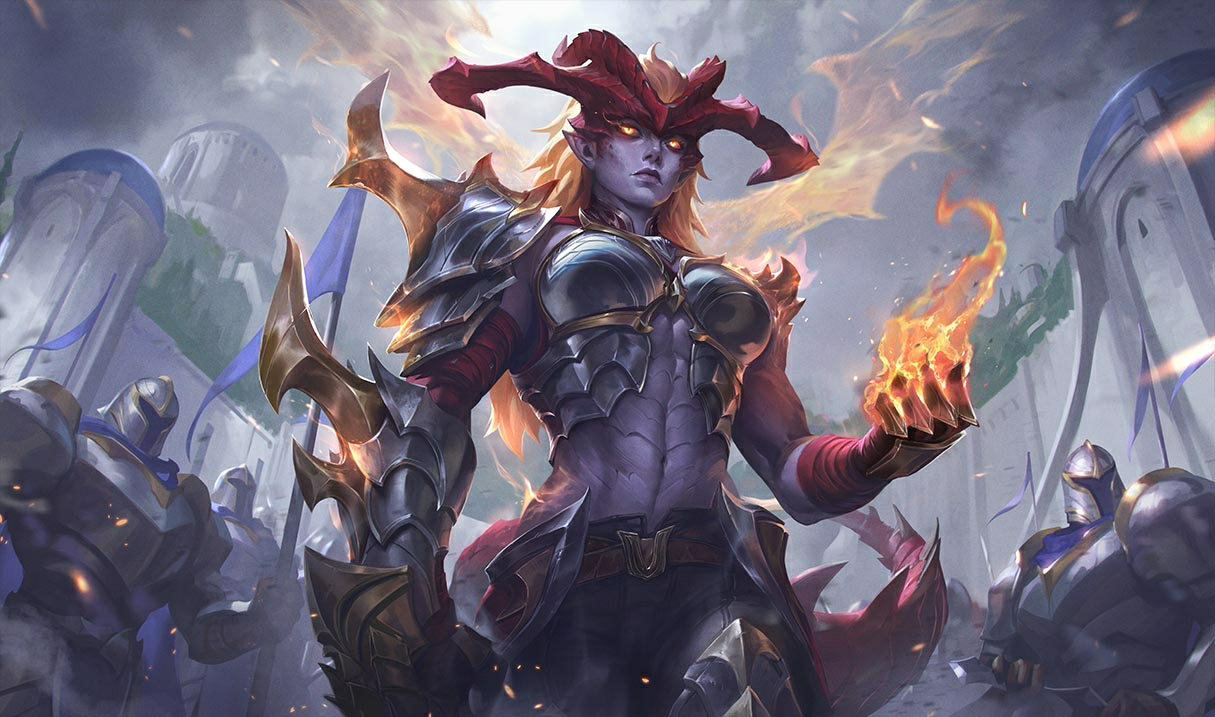

Przeróbka Shyvany 2026 — Nowe Umiejętności, Najlepsze Buildy, Skórki i Wpływ na Metę
VGU Shyvany w końcu pojawiło się w patchu 26.6. Nowy zestaw umiejętności, nowy wygląd, nowa forma smoka, która faktycznie przypomina smoka.




Komentarze do artykułu
Na razie brak komentarzy. Bądź pierwszy!
Dodaj komentarz