


 Zwiększanie rankingu


 Waluta w grze


 Perplexity
 ChatGPT
 Grok
Grok
 Claude
 Post on Reddit
Popraw swoje wrażenia z gry dzięki naszym usługom
Wykorzystaj pełen potencjał gry dzięki profesjonalnym rozwiązaniom

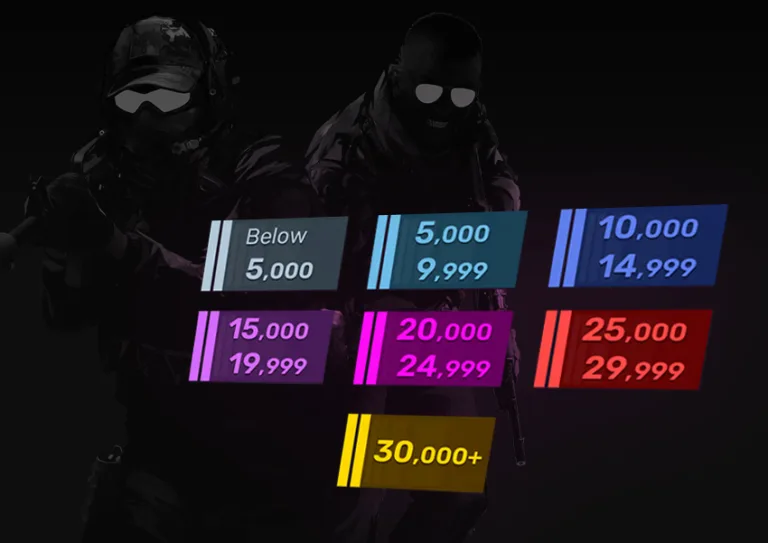
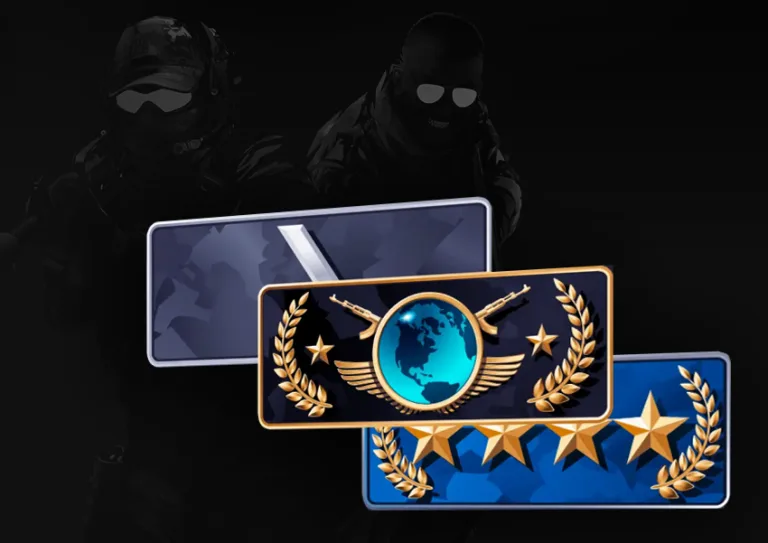
How Matchmaking Works in CS2
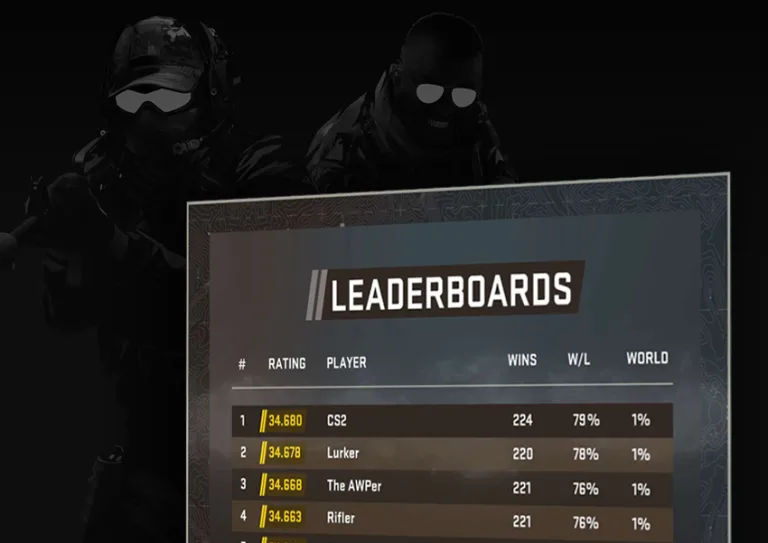
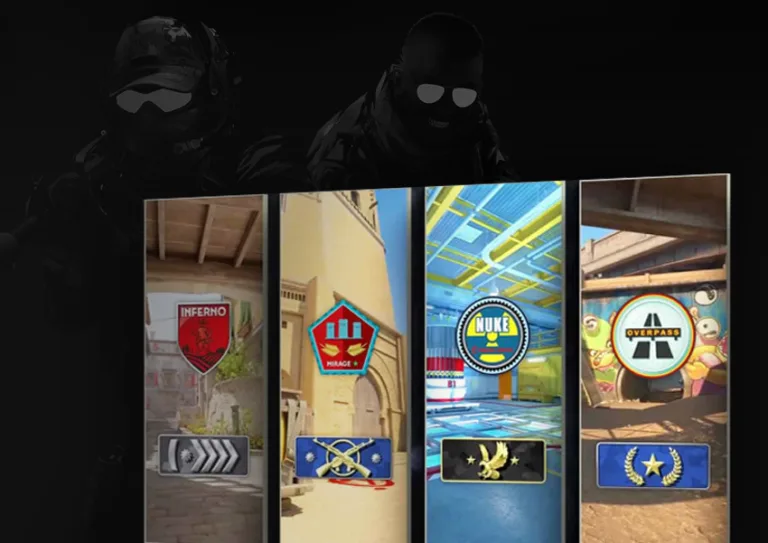
CS2 matchmaking is often described as a simple ELO system, but in reality, Counter Strike 2 uses several ranking layers at once. Premier mode shows a visible CS Rating, while Competitive mode hides most calculations, both relying on a hidden MMR that decides who you face and how fast you climb. After every match, the CS2 ranking logic compares team strength, match difficulty, and individual impact, meaning wins alone do not guarantee equal progress because performance context matters just as much as the result. Players who want to skip the grind can also buy CS2 boosting services and Counter Strike accounts on the GoRanked platform.
Is CS2 Matchmaking Really Fair?
Players often judge fairness in Counter-Strike 2 by wins and losses, but matchmaking works on a broader scale. CS2 tries to build balanced games while keeping long-term progression stable. That is why a strong match does not always mean a fast rank increase, and a single bad game rarely destroys progress. The matchmaking logic values consistency across many matches, so ranking feels slower but more controlled compared to older Counter Strike titles.
Rank vs Hidden MMR. What Actually Affects Your Rank
Your visible rank in CS2 is only part of the picture. Behind it sits hidden MMR, and that internal rating decides matchmaking strength and progression speed. Counter Strike 2 evaluates several performance signals every match:
Individual contributions such as MVPs, entry kills, assists, bomb plants and utility impact.
Team performance and your role in the win or loss.
Opponent strength and overall match difficulty.
Round level performance, including close games versus one-sided results.
Because of this, players sometimes gain less from an easy win or lose less after a strong individual performance in defeat. Progress depends on consistent impact across multiple games.
Solo Queue, Parties & Trust Factor
Queue type changes matchmaking behaviour more than many players expect. Solo players regularly face duos or full premade teams, especially outside peak hours. Team coordination often gives parties an advantage even when skill levels look similar.
Solo players rely more on personal performance, so results can swing faster. Strong games push progress forward, while poor matches punish harder. Party queues usually feel more stable because communication reduces randomness.
Trust Factor also affects who you play with. Account behaviour, reports, bans, and overall history influence lobby quality. Players with similar trust levels end up together, which is why some matches feel clean while others feel chaotic.
Why Winning Doesn’t Always Mean Ranking Up
Many Counter Strike 2 players expect a simple rule: win the match, and your rank goes up. CS2 matchmaking works differently. The system looks at overall impact, not only the final result. A win with low contribution usually gives less progress, while a loss with strong performance can reduce rating changes. Several factors influence this in CS2 and Counter Strike matchmaking:
Match difficulty and enemy MMR level.
Your individual impact during key rounds.
Score difference between teams, since close games carry more weight.
Consistency across recent matches rather than one isolated result.
This is why players sometimes win several games in a row but see little movement, while others rank up faster with fewer victories. Counter-Strike 2 rewards stable performance over time instead of short streaks.
Hidden Balancing in CS2 Matchmaking
In CS2, ranking progression is not based only on wins or visible rating. Counter Strike 2 uses hidden balancing to control how quickly players move through the ladder. When the system detects a strong streak or unusually fast progress, it gradually increases match difficulty to check whether that level of performance is consistent over time. This is why some players suddenly feel that games become harder even though their rank has not changed much.
Hidden balancing does not mean the game is forcing losses. The goal inside CS2 matchmaking is to stabilise progression and avoid situations where short win streaks push players into ranks they cannot hold. Instead of reacting to one or two matches, the algorithm looks at trends across many games and adjusts lobby strength accordingly. How Hidden Balancing Usually Appears in Counter-Strike 2:
After several wins, opponents feel stronger even at similar visible ranks.
Matches become closer, with more rounds decided by small mistakes.
Personal performance matters more to secure progress.
Rank movement slows despite a positive win rate.
Team balance may feel uneven while the system tests consistency.
Final Verdict
CS2 matchmaking is built to keep games competitive and prevent extreme rank swings. Counter Strike 2 uses hidden MMR, performance data, and trust-based matchmaking to create balanced lobbies, even if the matchmaking logic feels unpredictable from the player side.
For some players, the climb feels slow, especially in solo queue, which is why many choose to improve faster through practice, coaching, or by buying CS2 boost services and Counter Strike accounts on platforms like GoRanked.
Overall, ranking in CS2 is less about single wins and more about long-term consistency, clean gameplay, and steady individual impact across matches.
Przeczytaj także
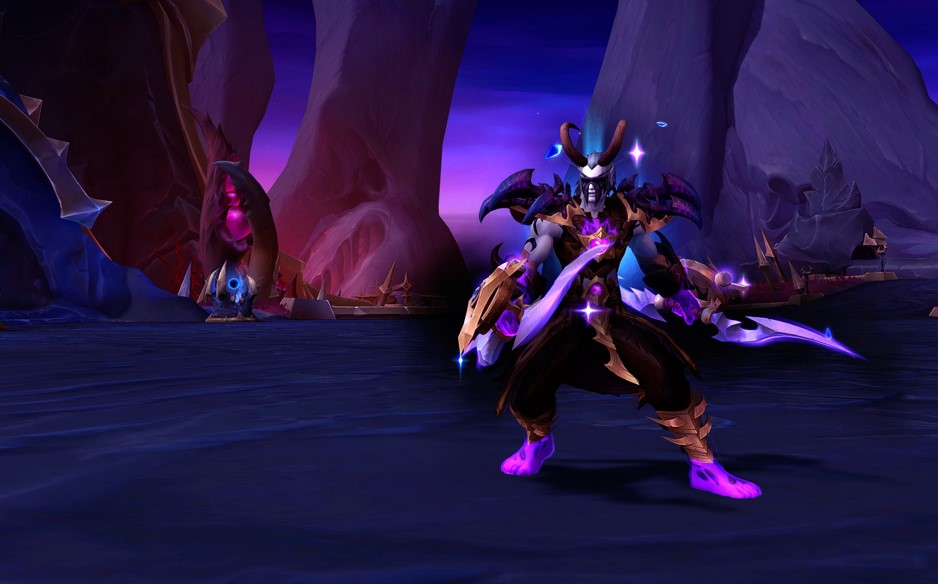


Patch 12.0.5 do WoW – Kluczowe funkcje, zmiany klas i czego się spodziewać
Patch 12.0.5 do WoW wprowadza Ataki Pustki, system Voidforge, zmiany klas oraz nowe aktywności. Dowiedz się, jak ta aktualizacja World of Warcraft zmienia wyposażenie, rozgrywkę i metę.
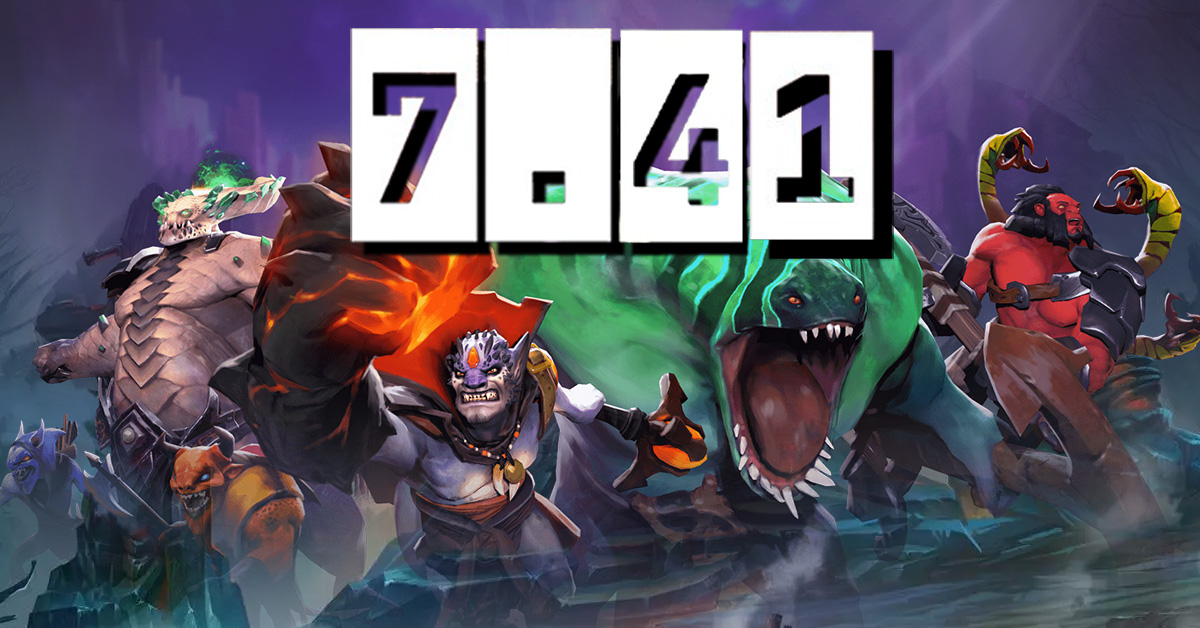

Dota 2 Patch 7.41: Dlaczego Valve usunęło aspekty i co to oznacza dla gry
Aktualizacja Dota 2 7.41 usuwa aspekty, przekształcając równowagę bohaterów, draftowanie i przebieg rozgrywki. Dowiedz się, co się zmieniło, dlaczego Valve to zrobiło i jak działa nowa meta Dota 2.


Kody cheatów i komendy konsoli do Fortnite (2026): Co faktycznie działa
Szukasz kodów cheat do Fortnite w 2026 roku? Dowiedz się, które kody faktycznie działają, jak je zrealizować, gdzie znaleźć legalne kody do Fortnite oraz jak unikać oszustw i fałszywych cheatów.
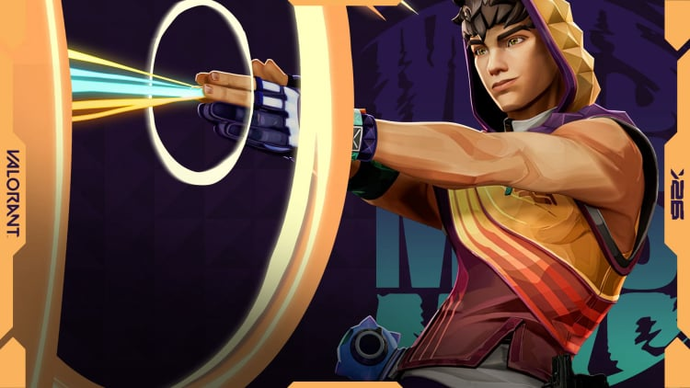

Przewodnik Miks Valorant — Wszystkie umiejętności, rola, najlepsi współpracownicy i jak grać
Miks jest 30. agentem w Valorant i pierwszym Kontrolerem, który potrafi leczyć. Oto pełny opis każdej umiejętności, kiedy używać każdego trybu i jak najlepiej wykorzystać go w rozgrywkach rankingowych.
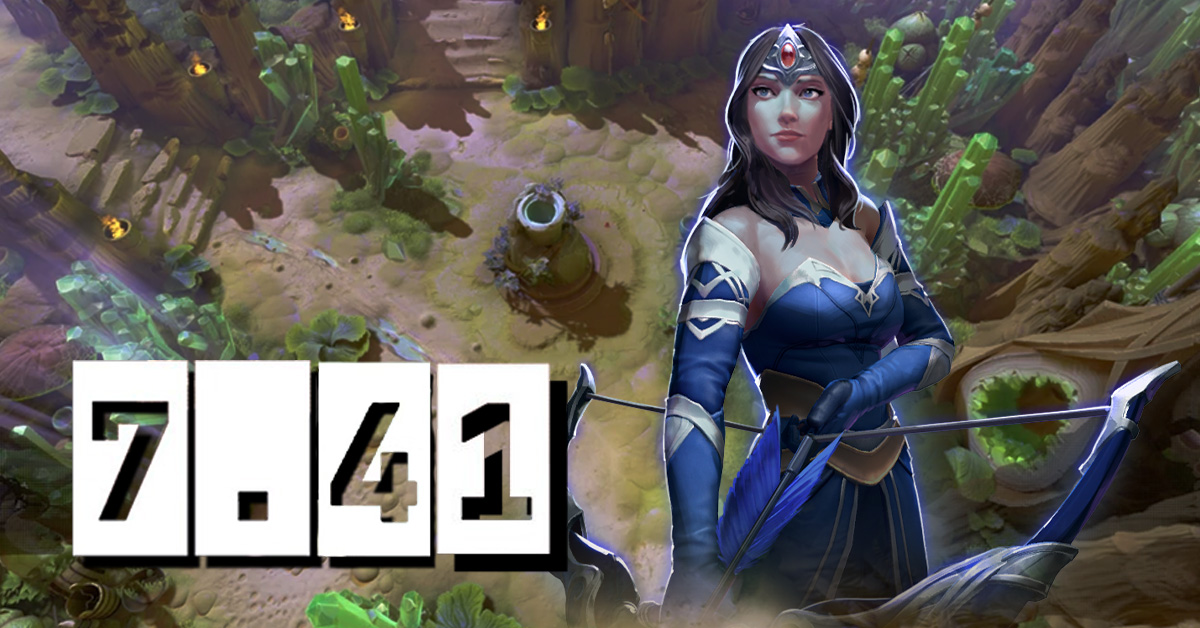
Dota 2 Patch 7.41 — Wszystkie Nowe Przedmioty, Przedmioty Neutralne i Lista Tierów
Patch 7.41 dodał 9 nowych przedmiotów do sklepu i 8 przedmiotów neutralnych do Dota 2. Oto, co robi każdy przedmiot, kto powinien go kupić i które przedmioty neutralne naprawdę warto podnieść.
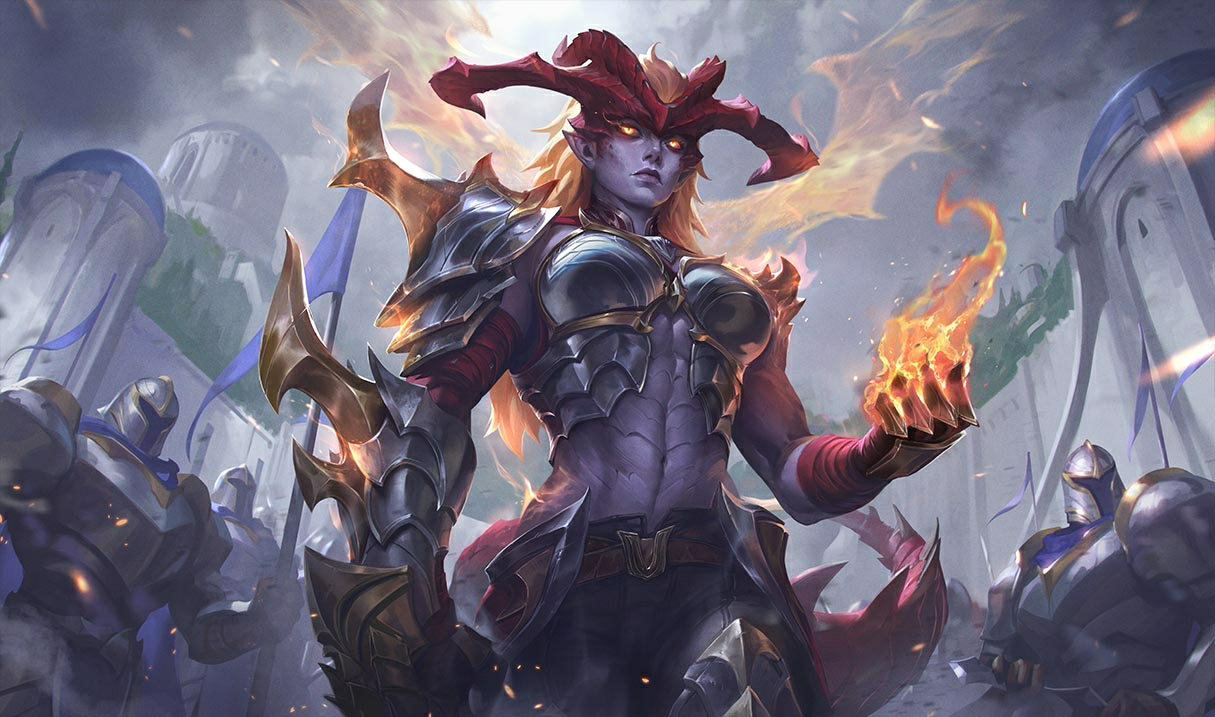

Przeróbka Shyvany 2026 — Nowe Umiejętności, Najlepsze Buildy, Skórki i Wpływ na Metę
VGU Shyvany w końcu pojawiło się w patchu 26.6. Nowy zestaw umiejętności, nowy wygląd, nowa forma smoka, która faktycznie przypomina smoka.




Komentarze do artykułu
Na razie brak komentarzy. Bądź pierwszy!
Dodaj komentarz