


 Bewertung-Boost


 Spielwährung


 Perplexity
 ChatGPT
 Grok
Grok
 Claude
 Post on Reddit
Bel’Veth Arena Build Guide
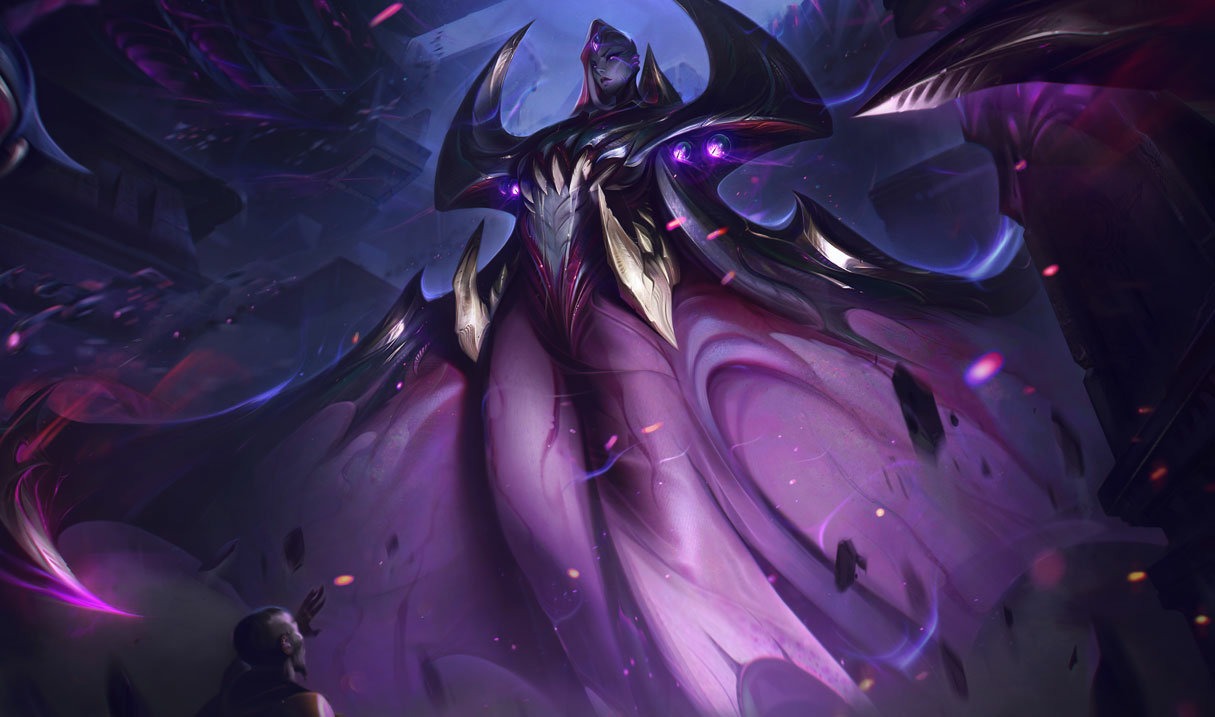
Arena is not about standard meta picks or copying Summoner’s Rift builds. The strongest Arena champions are the ones that scale aggressively with stats, adapt to augments, and can turn one good round into a full snowball. Bel’Veth fits this perfectly because her kit converts attack speed and on hit effects into real fight control instead of just raw damage. Once she starts stacking stats, every round becomes easier to win.
Before we get into the build logic, a quick note for players who want to jump straight into Arena with the right setup: on the GoRanked platform you can buy League of Legends accounts and boost at a very good price, which makes testing builds and modes much easier.
Core Idea: The 10 Attack Speed Win Condition
The entire build revolves around one idea: reaching attack speed cap as early as possible and abusing any on hit or scaling augment that appears. Bel’Veth is one of the few champions who can realistically hit absurd attack speed values in Arena, and once that happens her damage output multiplies fast.
The logic is simple:
More attack speed means more on hit procs.
More procs means faster scaling during fights.
Faster scaling allows abilities to hit far above normal values.
In the gameplay source, the turning point happens when attack speed stacks combine with augments like Master of Duality. Suddenly the build stops being only auto attack focused and starts scaling through AP as well. Her E begins stacking stats instantly, and the ultimate benefits from the same scaling, turning short fights into one sided runs.
The important part is that the build is not chasing damage numbers early. The goal is to reach a state where each additional stat multiplies the previous ones. Once the cap is reached, the champion does not just deal more damage, she starts deleting targets before they can react.
Early Rounds: Surviving Before the Build Comes Online
The early rounds are the hardest part of this setup. At the start, Bel’Veth feels weak compared to burst champions or ranged duos that dominate early trades. In the source gameplay, the player even mentions doing almost no damage during the first fights. That phase is normal and expected.
The priority early is survival, not dominance. Key early goals:
Avoid forced all ins before scaling starts.
Play around plants and gates to reset fights.
Take safe trades instead of committing to long duels.
Collect attack speed and defensive stats whenever possible.
Positioning matters more than mechanics here. You want to stay active enough to collect value from rounds without overcommitting. Even small stat gains matter because Arena scaling stacks quickly. Once you survive the first few rounds, the build starts to stabilise.
Another important detail from the source is flexibility. When pure damage was not working, the player shifted toward tankier stats to stay alive long enough to use ultimate and E properly. That small adjustment is what allowed the build to reach its real power later.
Augments That Break the Build
Augments decide whether this setup becomes strong or completely unstoppable. The build works without perfect rolls, but certain augments push it into god tier territory. High impact augments from the source run:
Tap Dancer: gives huge movement speed value while fighting, making it easier to stick to targets.
Master of Duality: the most important scaling augment, allowing AP and attack speed to stack together.
Lightning Strikes: adds extra damage sources that scale with attack speed.
Dual Wield: increases on hit pressure and accelerates scaling.
Doom: adds reliable damage during extended fights.
The biggest spike comes when Master of Duality interacts with Bel’Veth’s E. Every activation stacks stats rapidly, which turns defensive moments into massive damage windows. At that point the build shifts into hybrid scaling, where AP values climb unexpectedly high and abilities start hitting for thousands.
The key lesson is not to force one direction too early. In Arena, the correct build appears as augments roll in. If the game gives attack speed and scaling tools, you commit fully. If not, you adjust and play for consistency instead of chasing a fantasy setup.
When the Build Turns Into AP Bel’Veth
The biggest surprise in this Arena run is how the build stops being pure attack speed and gradually shifts into AP scaling. The original plan is simple: stack attack speed, abuse on hit effects, and reach the cap. Then the direction changes. Once augments like Master of Duality appear, every use of E starts stacking AP rapidly, and the damage profile turns hybrid instead of purely auto attack based.
This is where many LoL players misunderstand the setup. You are not forcing AP from the start. The transition happens naturally because League of Legends Arena rewards stat stacking, and Bel’Veth converts those stats into real combat power. The moment your abilities begin hitting harder than your autos, you know the build has evolved.
Another key detail that players often miss is timing. Early rounds still feel weak, especially before level six. Bel’Veth’s real power spike comes once her passive and ultimate passive begin stacking properly, which is why survival early matters more than damage numbers. Arena’s bonus stack system between rounds accelerates this scaling and makes the AP transition much more explosive later.
Item Direction in Arena
Itemisation in Arena is reactive, not scripted. In this source gameplay, the player constantly adjusts depending on augments, stat shards, and round outcomes. That is exactly how League of Legends Arena builds should work.
Early priorities:
Attack speed sources to accelerate scaling.
Defensive stats when survival becomes a problem.
Flexible components that do not lock you into one direction.
Mid game adjustments:
Hybrid scaling items when AP begins to matter.
Survivability choices that let you stay in fights longer.
Percentage based damage once attack speed is already high.
Late direction:
High value AP spikes like Deathcap when scaling is secured.
Prismatic or high roll items that multiply existing stats.
Anything that converts attack speed into additional damage sources.
One practical Arena tip from experienced players also fits here: Bel’Veth is extremely strong at contesting plants because high attack speed almost guarantees two hits. Winning plant fights often decides rounds, especially when your build is not fully online yet.
Mid Game Turning Point: When You Become Unkillable
Every strong Arena build has a turning point. For Bel’Veth, it happens when attack speed scaling combines with defensive stats and ultimate uptime. In the source gameplay, the player starts adding tankier options simply to survive long enough for damage to ramp. That single adjustment changes everything.
Instead of exploding on engage, the champion begins living through burst and stacking damage while fights continue. Once this happens, opponents struggle to shut you down. The build becomes self sustaining:
High attack speed fuels damage and healing.
AP scaling increases ability impact.
Defensive stats extend fights.
Longer fights mean more scaling.
Another high level tip from Arena players: avoid engaging first when possible. Let enemies spend key cooldowns before committing. Bel’Veth performs much better once initial burst is gone, because longer fights favour her stacking mechanics.
This is also where duo synergy matters. Pairing with champions that can secure quick kills allows easier ultimate resets, which massively increases mid game momentum.
Late Game: God Mode Scaling
Late game Arena is where the build fully breaks the mode. Attack speed reaches extreme values, AP numbers climb into absurd ranges, and abilities start hitting for thousands. In the source gameplay, fights end almost instantly once Bel’Veth connects.
What makes this stage powerful is consistency, not just raw damage. Even imperfect positioning can be forgiven because scaling compensates. With enough stats:
E becomes both defence and burst.
Ultimate resets turn kills into momentum swings.
Auto attacks shred both tanks and squishies.
Movement speed scaling makes kiting almost impossible.
At this point, League of Legends Arena rounds feel heavily favoured as long as you avoid obvious mistakes.
Common Mistakes Players Make With This Build
Many players fail with this setup because they misunderstand how it scales. The most common errors include:
Forcing AP too early instead of letting scaling happen naturally.
Taking risky early fights before level six.
Ignoring defensive stats and dying before damage ramps.
Building like standard League of Legends instead of Arena.
Overcommitting before cooldowns are burned.
Another frequent mistake is focusing only on damage numbers. The source gameplay shows patience: survive early, stabilise mid game, then explode into scaling later. That order is what makes the build work.
A final practical tip from experienced Arena players: if augments are weak, pivot into a tankier setup rather than forcing damage. Bel’Veth still scales well through survivability because longer fights mean more passive stacks.
Conclusion
This Bel’Veth Arena setup works because it evolves. You begin with a simple attack speed plan, survive early pressure, and transition into hybrid scaling once the right pieces appear. The result is a build that feels weak at the start but turns into full late game domination.
In League of Legends Arena, the strongest strategies are not fixed templates. They are systems that adapt round by round. If you understand when to scale, when to stabilise, and when to commit, this LoL approach can turn even difficult lobbies into winnable games.
Lesen Sie auch


WoW Patch 12.0.5 – Hauptmerkmale, Klassenänderungen und was zu erwarten ist
WoW Patch 12.0.5 bringt Leerenangriffe, das Leerenformungssystem, Klassenänderungen und neue Aktivitäten. Erfahre, wie dieses World of Warcraft-Update die Ausrüstung, das Gameplay und die Meta verändert.

Dota 2 Patch 7.41: Warum Valve Aspekte entfernt hat und was das für das Spiel bedeutet
Dota 2 Patch 7.41 entfernt Aspekte, verändert das Gleichgewicht der Helden, das Drafting und den Spielfluss. Erfahre, was sich geändert hat, warum Valve es getan hat und wie das neue Dota 2 Meta funktioniert.


Fortnite Cheat-Codes & Konsolenbefehle (2026): Was tatsächlich funktioniert
Suchst du nach Fortnite-Cheatcodes im Jahr 2026? Erfahre, welche Codes tatsächlich funktionieren, wie du sie einlösen kannst, wo du legitime Fortnite-Codes findest und wie du Betrug und gefälschte Cheats vermeidest.


Miks Valorant Guide — Alle Fähigkeiten, Rolle, Beste Teamkollegen und Wie man spielt
Miks ist Valorants 30. Agent und der erste Controller, der heilen kann. Hier ist eine vollständige Übersicht über jede Fähigkeit, wann man welchen Modus verwendet und wie man das Beste aus ihm im Ranglistenspiel herausholt.
Dota 2 Patch 7.41 — Alle neuen Gegenstände, neutralen Gegenstände und Tier-Liste
Patch 7.41 hat 9 neue Shop-Items und 8 neutrale Items zu Dota 2 hinzugefügt. Hier ist, was jedes Item macht, wer es kaufen sollte und welche neutralen Items es wirklich wert sind, aufgehoben zu werden.

Shyvana-Überarbeitung 2026 — Neue Fähigkeiten, Beste Builds, Skins und Meta-Einfluss
Shyvanas VGU ist endlich in Patch 26.6 angekommen. Neues Kit, neuer Look, neue Drachenform, die sich tatsächlich wie ein Drache anfühlt.




Kommentare zum Artikel
Noch keine Kommentare. Sei der Erste!
Kommentar hinterlassen